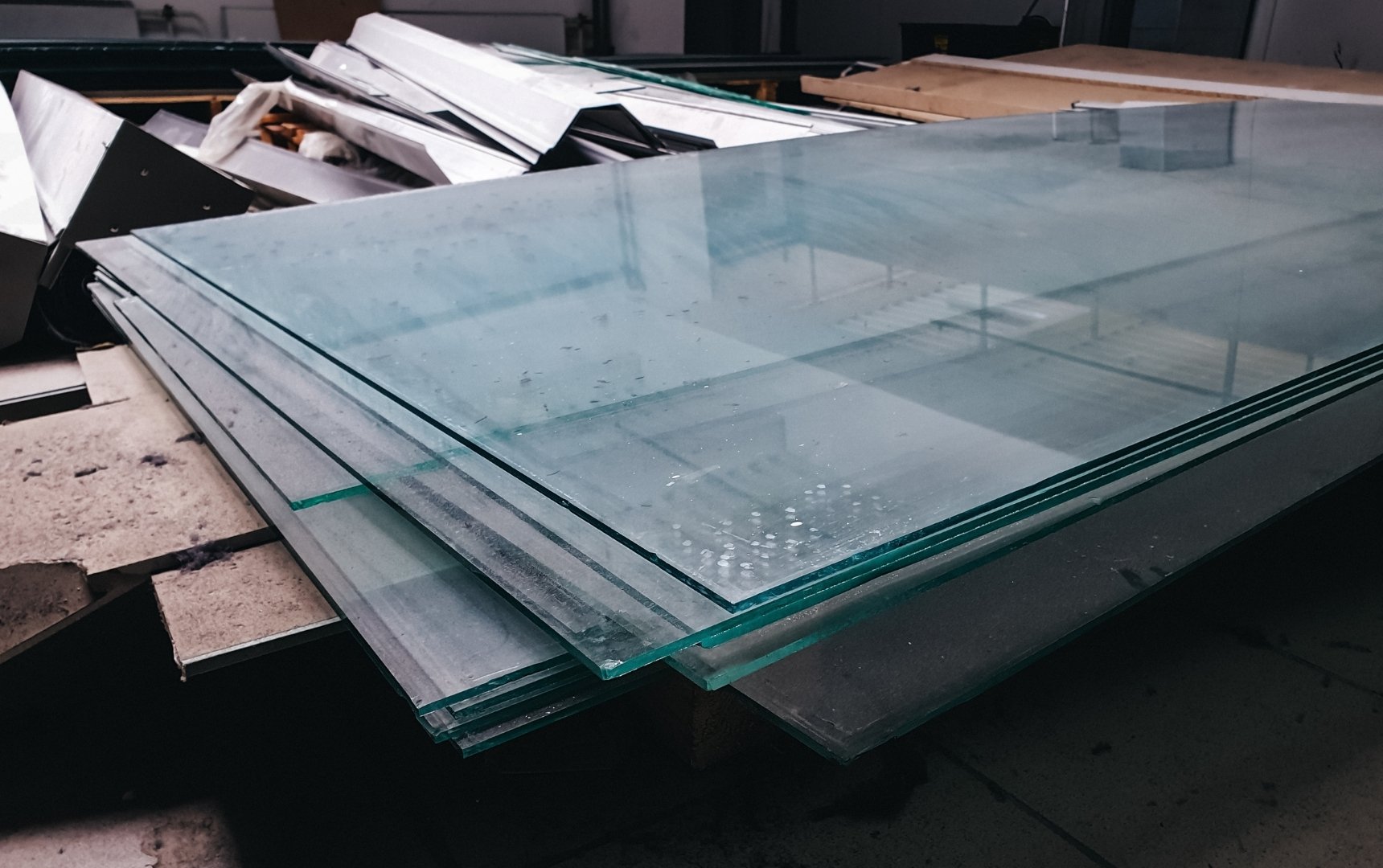
At some point in every tempered glass order, decisions become irreversible. Once glass enters the tempering furnace, its dimensions, edge conditions, holes, and surface treatments are permanent. Tempered glass cut to size doesn't tolerate afterthoughts. Complete every required modification on the raw annealed blank before the heat treatment begins, and the sequence of steps matters as much as the steps themselves.
Why the Pre-Tempering Stage Controls the Outcome
The tempering process does not shape glass. It strengthens glass that has already been shaped. Heating and rapidly cooling the glass surface creates a compression layer that gives tempered glass its characteristic strength and fracture behavior, but that process works on whatever geometry the glass has when it enters the furnace.
A panel that arrives at the furnace with the wrong dimensions, an unfinished edge, or a misplaced hole will exit the furnace with those same characteristics, permanently locked in. The pre-tempering stage is therefore where every quality and compliance decision gets made. Most ordering errors start when people treat it as a checklist item rather than a critical production phase.
Cutting Tempered Glass to Size: Getting Dimensions Right
Accurate sizing is the first and most consequential step in preparing glass for tempering. Tempered glass cut to size must account for the clearances and tolerances required by the specific framing system, not just the nominal opening dimensions.
The cut size is the dimension the glass panel must be after fabrication, accounting for the frame's edge bite, the required clearance on all sides, and the setting block positions that support the panel in the opening. Providing opening dimensions rather than cut dimensions is one of the most common errors in custom glass orders, and it produces panels that either bind in the frame or rattle with excessive movement.

Standard fabrication tolerances for tempered glass typically fall within plus or minus 1.5mm to 3mm depending on thickness, and confirming that the specified framing system can accommodate this range prevents fit problems after the glass arrives on site.
Edge Working Before Tempering
Every edge on a tempered glass cut to size panel must be finished to the appropriate specification before the glass enters the furnace. The tempering process does not improve or alter edge condition. A raw cut edge going into the furnace will come out as a raw cut edge, permanently hardened in that state.
The appropriate edge treatment depends on the application. Seamed edges, where the sharp arris is lightly removed, are acceptable for fully captured edges that will never be visible or accessible in the finished installation. Ground edges provide a smooth, consistent surface for applications where the edge is partially exposed or where frame compatibility requires a flatter edge profile.
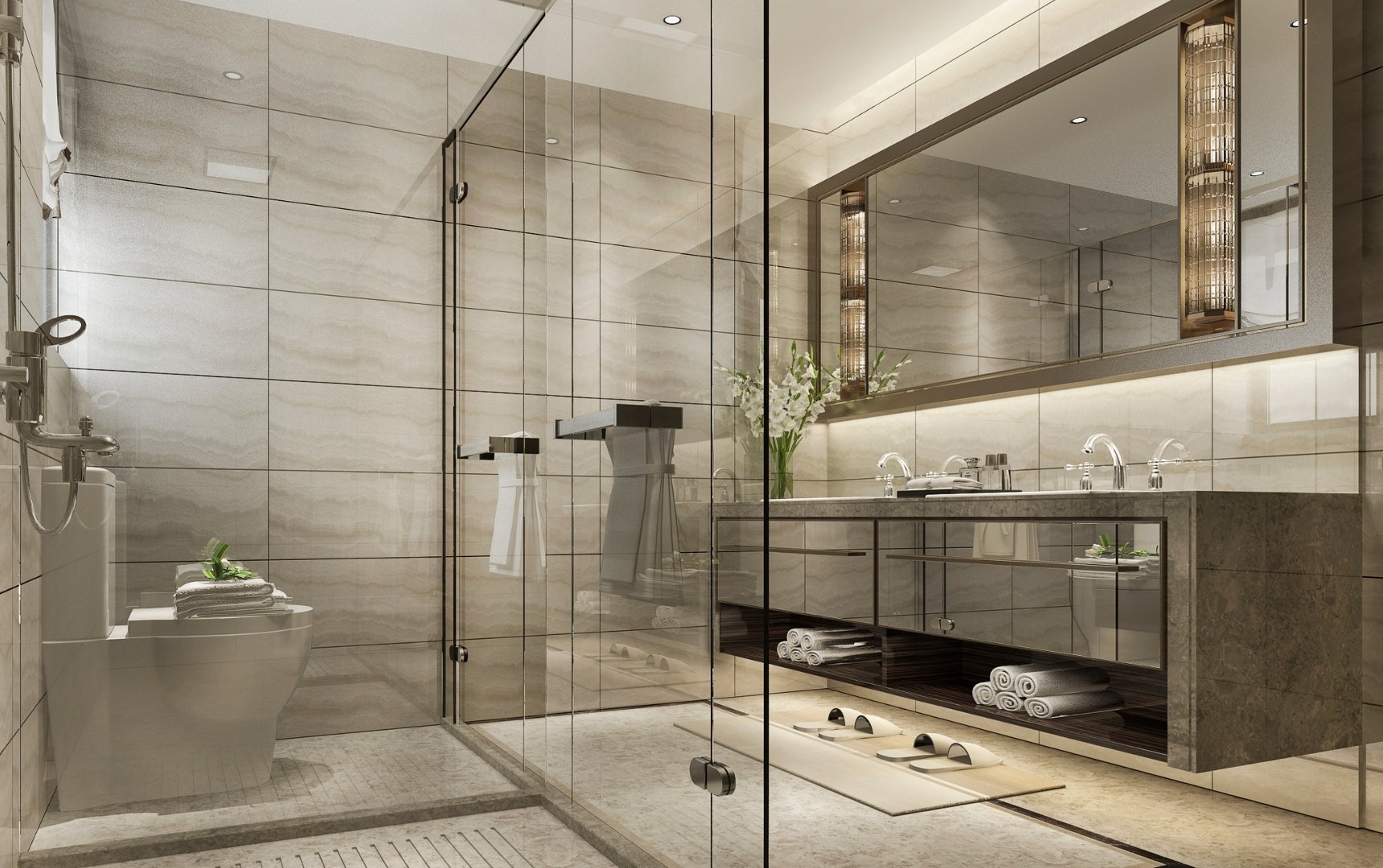
Polished edges are the correct specification for fully exposed edges in frameless shower enclosures, glass balustrades, and any application where the edge is a visible finished surface. Specifying edge treatment as an afterthought, or leaving it unspecified and accepting whatever the fabricator defaults to, produces panels that may be dimensionally correct but functionally or aesthetically wrong for the application.
Drilling and Cutouts: Placement and Geometry
Complete hardware holes, fixture cutouts, and notches for clamping systems on the annealed blank before tempering. Minimum distance requirements from edges and other cutouts govern each feature's placement to prevent stress fractures during fabrication and in service.
A hole placed too close to a panel edge concentrates stress and significantly increases the risk of breakage, both during tempering and after installation. Corner cutouts must be radiused rather than square because a sharp internal corner acts as a stress riser that will initiate cracking under load or thermal cycling.
The diameter of drilled holes also affects the minimum edge distance requirement, with larger holes requiring greater clearance from panel edges and adjacent holes. Submitting a dimensioned shop drawing for any panel with multiple hardware features before production begins gives the fabricator the information needed to flag placement problems before they become fabrication problems.
Surface Treatments Applied Before Tempering
Several surface treatments must be applied to the glass blank before tempering, not after. Ceramic frit, used for spandrel panels, solar control applications, and decorative printing, is applied to the glass surface and then permanently fused during the tempering process.
The furnace heat bonds the frit to the glass surface, making it durable and integral to the panel rather than a coating that can be scratched or delaminated. Acid etching and sandblasting for privacy or decorative effects are also pre-tempering processes in most production sequences, though some post-tempering etching is possible depending on the application.
Low-E coatings intended for use in single-pane tempered applications must be specifically formulated for the tempering process. Standard soft-coat Low-E products used in insulated glass manufacturing are not compatible with tempering and will be destroyed in the furnace. Confirming coating compatibility with the glass supplier before placing a coated tempered glass order prevents a specification error that cannot be recovered after fabrication.
Inspecting the Blank Before It Goes to the Furnace
Quality control at the annealed blank stage is the last opportunity to catch errors before they become permanent. A blank that is the wrong size, has an unfinished edge, or carries a surface defect will produce a finished tempered panel with those same characteristics. Visual inspection of the cut blank for chips, edge damage, scratches, and dimensional accuracy before tempering is a standard practice in quality-focused fabrication operations.
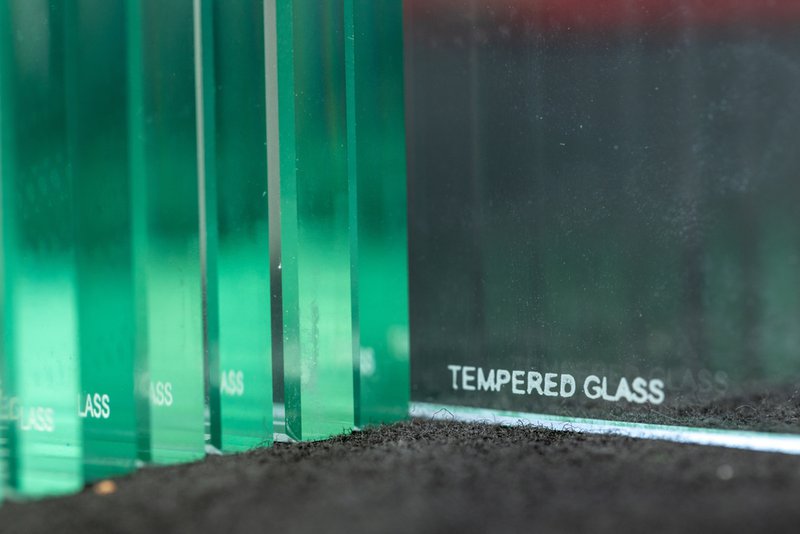
Edge chips are a particular concern because even minor edge damage on an annealed blank can propagate during tempering and cause a panel to break spontaneously or fail prematurely in service. Catching a chip at the blank stage means recutting from stock. Catching it after tempering means scrapping the panel entirely.
Tempered Glass Cut to Size in Sealed Unit Production
When tempered glass cut to size is destined for an insulated glass unit, the pre-tempering preparation stage affects not just the tempered lite but the entire unit. A tempered lite with incorrect dimensions will produce an IG unit that does not fit the opening or does not meet the specified reveal around the spacer bar.
A lite with an incorrect edge condition may compromise seal adhesion at the unit perimeter. Confirming every pre-tempering specification, including dimensions, edge treatment, hardware features, and any coatings, in writing with both the glass fabricator and the sealed unit manufacturer before production begins is the step that prevents the most disruptive and costly errors in the entire production sequence.
Tempered Glass Sealed Units from Insul-Lite Manufacturing™
The work done before tempering determines the quality of everything that follows. Reviewing cut dimensions, edge specifications, hardware placement, and coating compatibility as a complete package before any glass enters production is the discipline that keeps projects on schedule and panels out of the scrap bin.
At Insul-Lite Manufacturing™, we produce custom insulated glass units incorporating tempered glass cut to size for project-specific applications, with production standards built around getting every specification detail right before fabrication begins.
Contact us today to discuss your tempered glass requirements and get a quote from our team.