Choosing between tempered and laminated glass is one of the most consequential specification decisions in glazing work. Both products qualify as safety glass, and both appear in building codes as acceptable solutions for hazardous locations. The distinction between them matters most in high-risk impact areas. Especially where the conditions of an impact event and the behavior of the glass afterward have direct consequences for occupant safety and building performance. A clear comparison of tempered vs laminated glass across real-world impact scenarios clarifies which product belongs where and why getting that decision right matters.
How Each Product Is Made
The performance differences between tempered and laminated glass originate in how each product is manufactured. Tempered glass is produced by heating annealed glass to a high temperature and then rapidly cooling the surface, creating a compression layer on the exterior and a tension layer within the core.
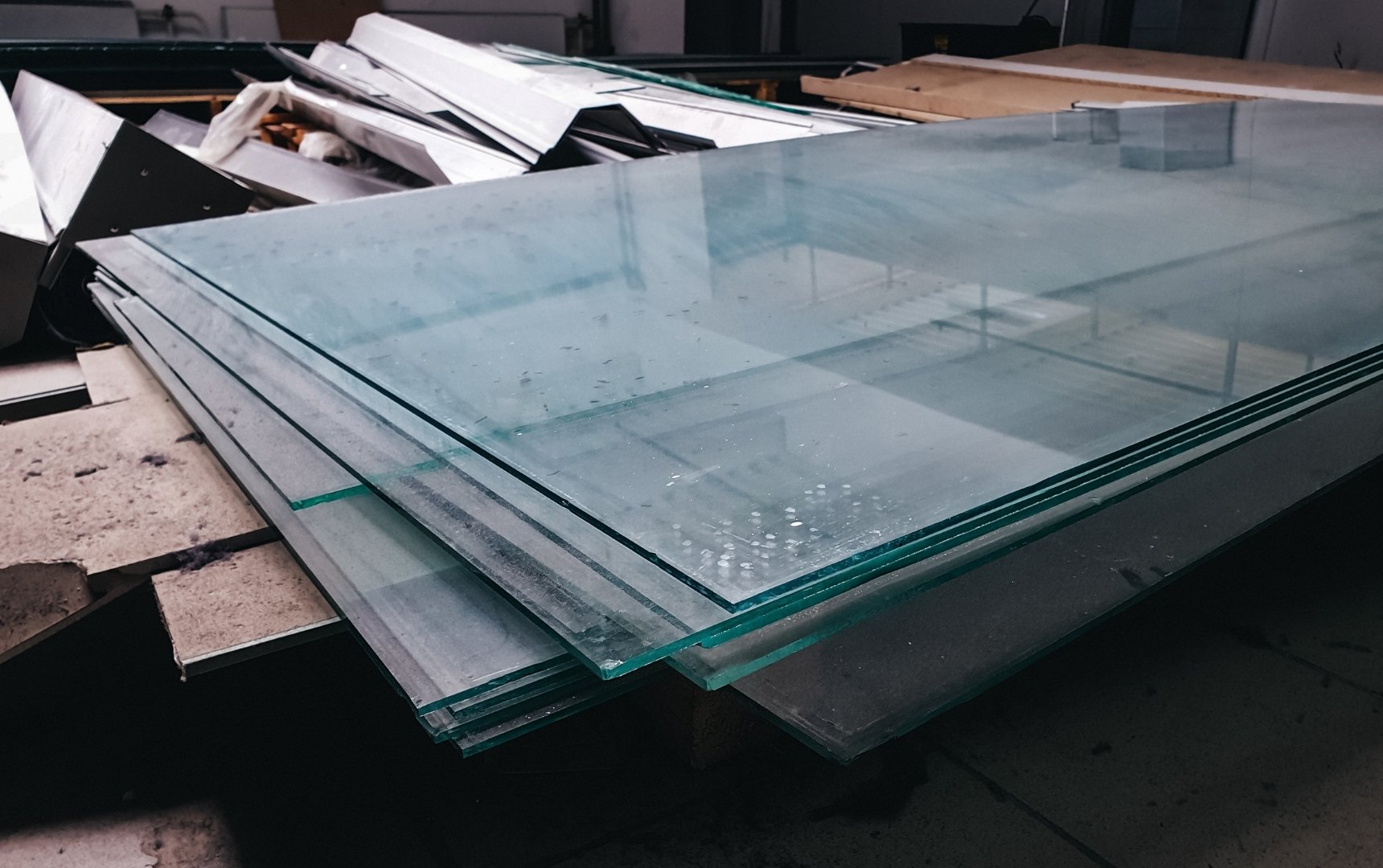
This internal stress profile is what gives tempered glass its strength and determines its characteristic fracture behavior. Laminated glass is produced differently, by bonding two or more glass panes together under heat and pressure using a plastic interlayer, most commonly polyvinyl butyral.
The interlayer adheres fully to both glass surfaces, creating a composite assembly that behaves as a single unit during normal use and holds together after breakage. These two manufacturing approaches produce two fundamentally different safety profiles.
How Each Product Behaves on Impact
The most important distinction between tempered vs laminated glass is what happens when each product is subjected to a significant impact. Tempered glass is considerably stronger than standard annealed glass and resists breakage under most incidental contact.
When it does break, however, it shatters completely and instantaneously into small, blunt fragments. The opening is immediately unprotected, and the glass no longer functions as a barrier in any capacity. Laminated glass is not necessarily stronger than tempered glass under initial impact, but its behavior after breakage is fundamentally different.

The interlayer holds the cracked glass together, keeping the assembly largely intact within its frame. The opening remains covered, the barrier is maintained, and fragment scatter is contained. In high-risk impact areas, this post-breakage behavior is often the deciding factor between the two products.
Where Tempered Glass Performs Well
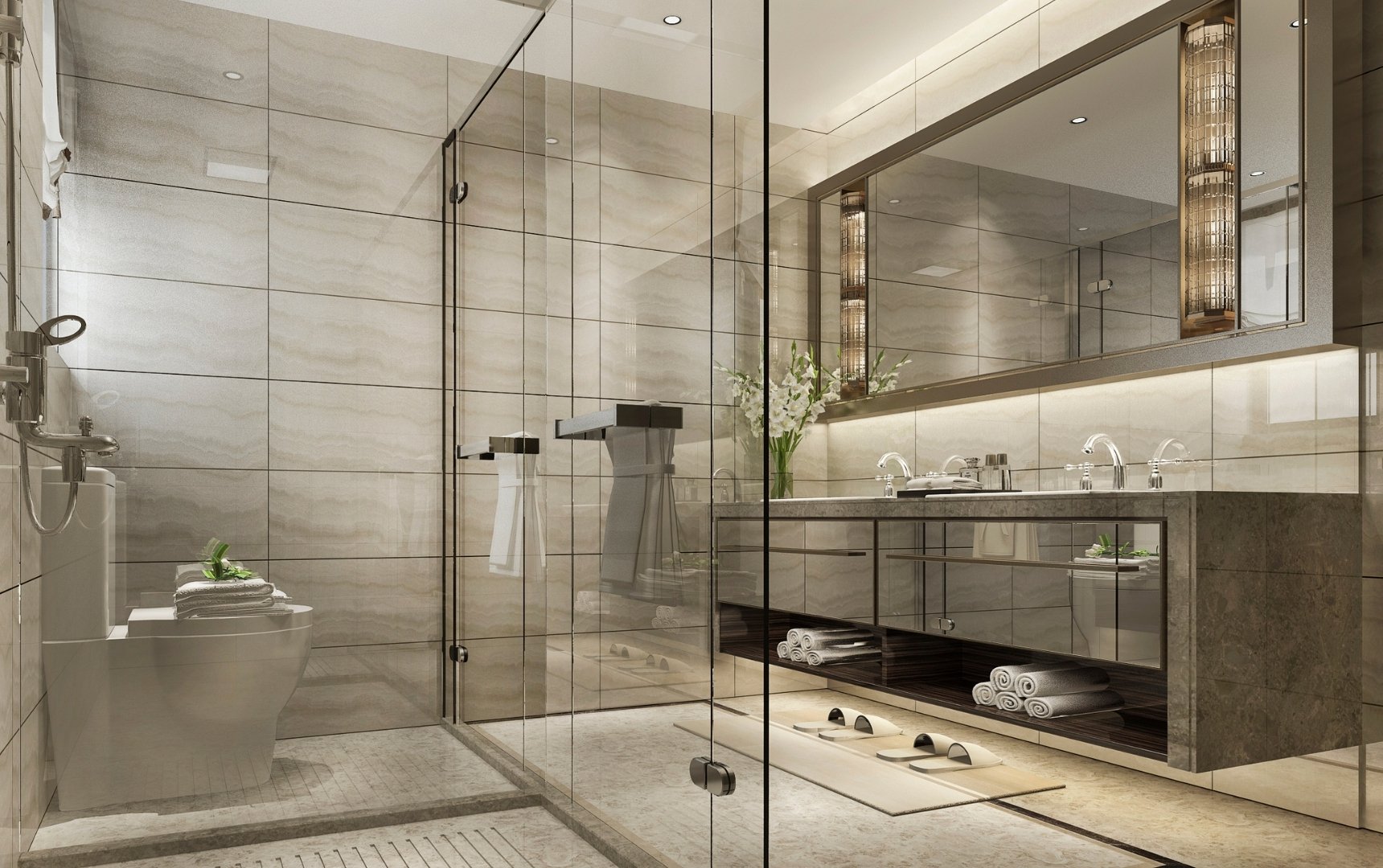
Tempered glass is the appropriate choice in a wide range of high-risk locations where the primary concern is safe fragmentation rather than post-breakage barrier retention. Shower enclosures, interior door panels, and low windows in dry interior spaces are well-served by tempered glass. This is because the fragmentation behavior eliminates the risk of severe laceration without requiring the opening to remain covered after a breakage event.
In these applications, the immediate environment after breakage is typically safe enough that the loss of the barrier is not a meaningful additional risk. The higher initial strength of tempered glass also makes it the better specification in locations where resistance to accidental contact is the primary goal and penetration resistance is not a factor.
Where Laminated Glass Outperforms Tempered Glass
Laminated glass becomes the stronger specification in impact areas where the consequences of losing the barrier after breakage are significant. Overhead glazing is the clearest example. A shattered tempered skylight drops fragments onto occupants below, while a broken laminated panel retains its pieces within the interlayer and remains in place.
The difference in outcome is not marginal. Exterior facades, balustrades, and large ground-level panels in public areas present similar considerations. When a panel breaks and the opening is immediately exposed to weather, falling risk, or public access, the post-breakage integrity of laminated glass provides protection that tempered glass cannot.
Security applications represent another category where laminated glass consistently outperforms tempered glass. A tempered panel, once broken, offers no resistance to entry. A laminated panel continues to resist penetration after the glass layers crack because the interlayer must also be breached. In storefronts, ground-floor commercial glazing, and any location where forced entry is a realistic risk, this distinction is operationally significant.
High-Wind and Storm Impact Areas
Hurricane-rated and storm-resistant glazing systems rely on laminated glass as their core component, and the reasoning connects directly to post-breakage barrier retention. During a severe wind event, windborne debris can strike glazing with enough force to crack or breach a panel.
If that panel is tempered glass, the building envelope is immediately compromised, and the resulting pressure differential can cause catastrophic structural damage to the interior. A laminated panel that cracks under debris impact but remains within its frame maintains the building envelope and prevents that pressure event.
Impact-rated glazing systems must be tested and certified to applicable storm standards, and not all laminated glass qualifies for these applications. Products intended for hurricane-prone regions require specific certification beyond standard safety glazing compliance.
Locations Where Laminated Tempered Glass Is Specified
Some high-risk impact areas call for a product that combines the properties of both types. Laminated tempered glass uses tempered glass as one or both of the bonded lites within a laminated assembly. This construction delivers the higher initial strength of tempered glass alongside the post-breakage fragment retention of the laminated interlayer.

Overhead glazing in commercial buildings, structural glass balustrades, all-glass stair assemblies, and hurricane-rated systems in high-occupancy buildings are common applications for laminated tempered glass. When both impact resistance and post-breakage barrier retention are required simultaneously, neither standard tempered nor standard laminated glass alone meets the full specification.
Code Requirements and Product Selection
Building codes in Canada and North America identify specific locations as hazardous and specify acceptable safety glazing products for each. In many locations, both tempered and laminated glass are listed as acceptable alternatives, leaving the selection to the specifier based on project conditions.
In overhead glazing, hurricane zones, and certain structural applications, laminated or laminated tempered glass is the required product rather than an option. The distinction between tempered vs laminated glass in these locations is not a matter of preference but of compliance.
Verifying which product meets the applicable requirement for each specific location is an essential step in any glazing specification, and local code adoption affects which standards apply on a given project.
Tempered and Laminated Sealed Units from Insul-Lite Manufacturing™
The right choice between tempered and laminated glass depends on what the installation demands after an impact, not just before one. At Insul-Lite Manufacturing™, we incorporate both tempered and laminated safety glass into our custom insulated glass units, built to meet the specific performance requirements of each application. Matching the right product to the right location is where compliant, long-performing glazing begins.
Contact us today to discuss your project requirements and get a quote from our team.