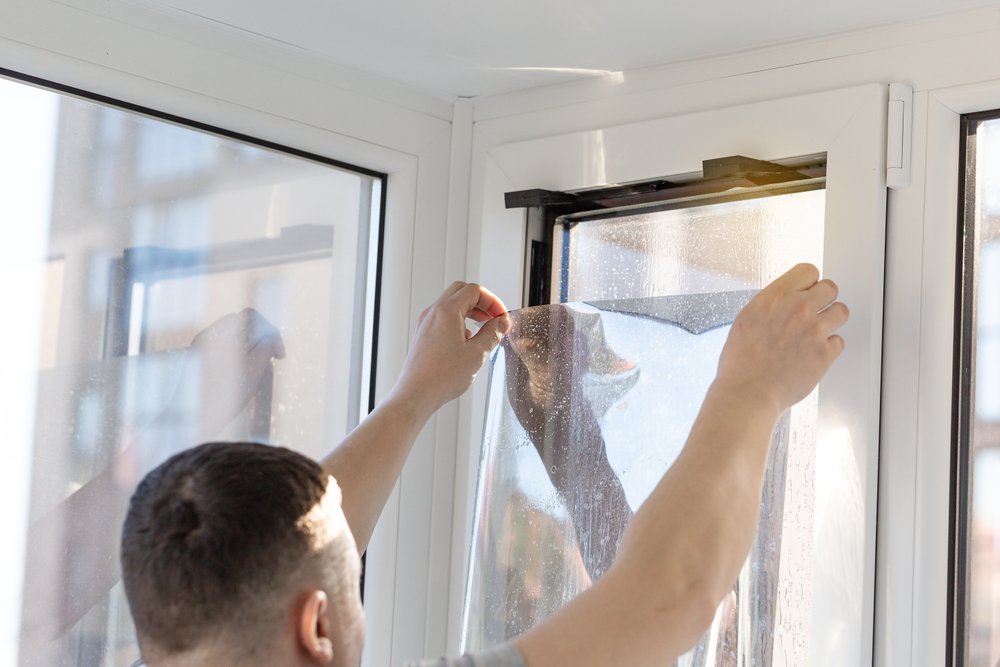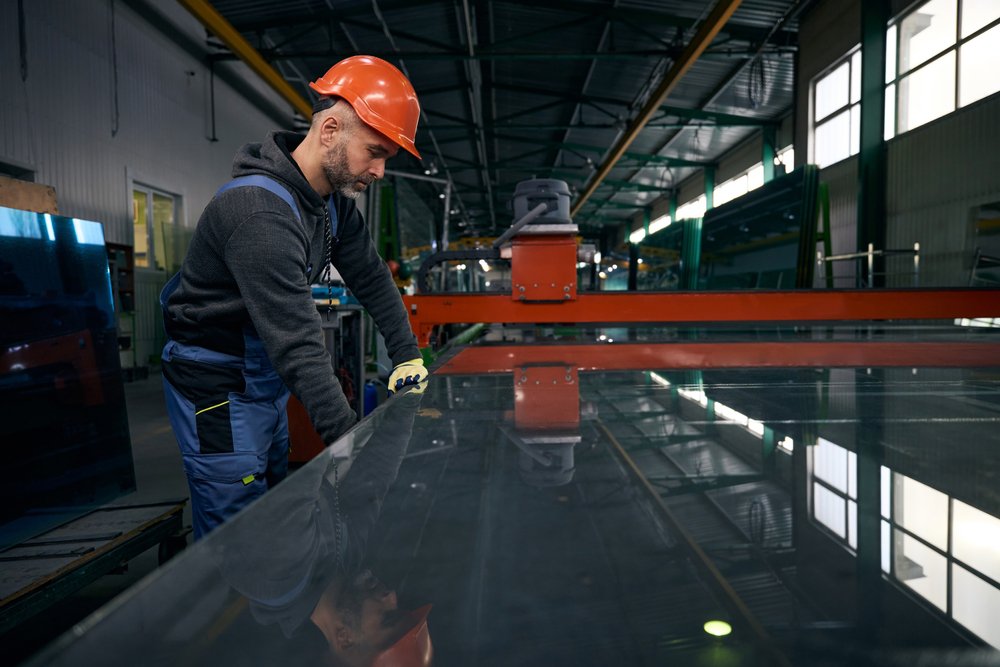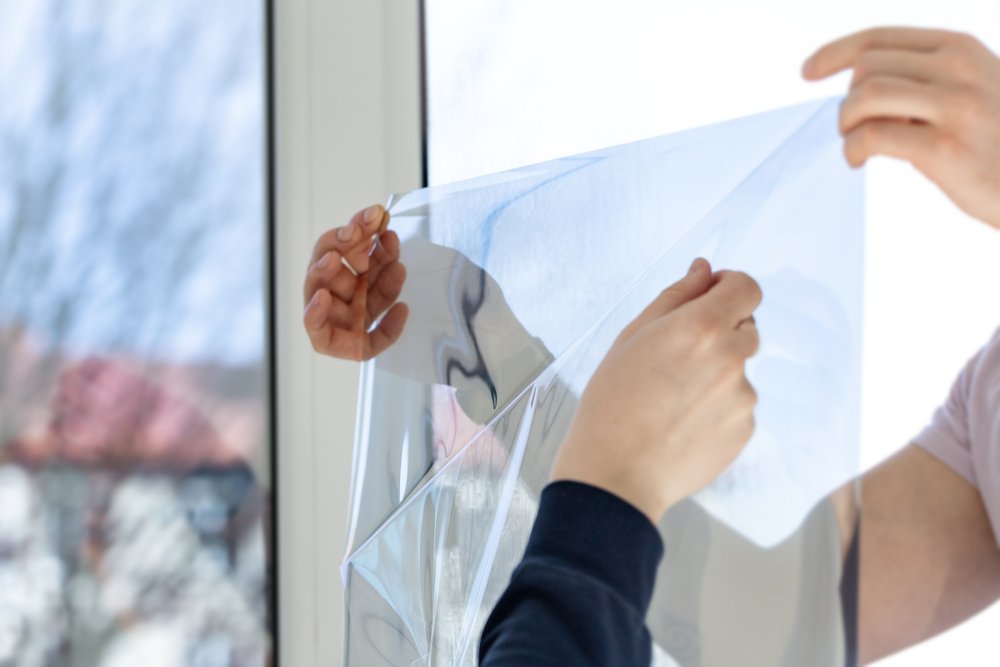
Protective film plays a critical role in preserving glass quality throughout manufacturing, transport, and installation. Improper handling or rushed application can compromise clarity, surface integrity, and long-term durability of glass surfaces during protective film application. Attention to detail ensures the protective layer functions as intended, preventing preventable issues during project execution.
Errors in installation often appear minor initially but may escalate into costly structural or cosmetic defects over time. Glass exposed to dust, debris, or improper adhesives experiences accelerated wear, reducing performance and visual appeal. Prioritizing proper techniques at every stage protects both the product and the reputation of glazing professionals.
Misalignment During Installation
Misaligned protective film can compromise the effectiveness of protective film application and reduce overall glass durability. Even minor deviations during installation may expose edges, increasing the risk of chips, cracks, or surface blemishes. Careful alignment is essential to maintain both performance and the visual quality of glass panels.

The following points outline key factors to prevent misalignment during installation:
- Slight misplacement of protective film edges can create stress points that lead to cracks or chipping over time.
- Uneven tension during application may cause lifting, wrinkles, or air pockets, reducing adhesion and protective performance.
- Corners and panel joints are particularly vulnerable, requiring templates or guides for precise placement and consistent coverage.
- Regularly inspecting alignment throughout the installation process helps identify deviations before they escalate into major surface damage.
- Using standardized techniques and trained personnel ensures consistent application, enhancing glass durability and preserving long-term aesthetics.
Ensuring proper alignment supports long-term protection and minimizes the likelihood of costly repairs or replacements. Attention to detail during installation reinforces the value of protective film application for high-quality results.
Trapped Dust and Bubbles in Protective Film Application
Trapped particles beneath protective film disrupt the smooth surface, leading to permanent aesthetic flaws on visible glass surfaces. Air bubbles not only impair appearance but also increase the risk of localized stress and breakage. Comprehensive cleaning of glass before application is essential to ensure flawless adhesion and prevent performance issues.
Particles under the film can affect thermal performance for Low-E or insulated glass units. Small imperfections often become focal points for damage, emphasizing the importance of preserving glass during transport and installation. Proper protective film application minimizes trapped contaminants and maintains surface quality.
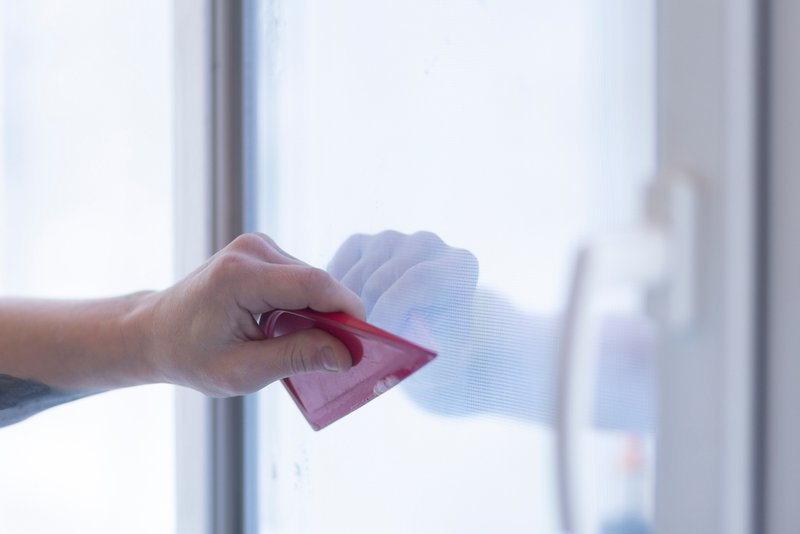
Applying protective film slowly while using squeegees or rollers allows air pockets to escape efficiently. The use of appropriate tools ensures even adhesion and minimizes imperfections that could compromise structural integrity. Training personnel in proper techniques is critical to sustaining consistent quality across all projects.
Using the Wrong Adhesive
Adhesive selection directly affects the removability and long-term condition of the glass surface. Inappropriate adhesives may leave residues that are difficult to clean, potentially scratching or damaging coatings. Specialized adhesives formulated for glass maintain both protection and easy removal without degrading surface performance.
Incorrect adhesive strength can exacerbate edge lifting or peeling during transport or storage. Strong adhesives might bond too aggressively, creating micro-scratches when removed, while weaker adhesives allow film to shift. Consulting technical specifications ensures compatibility with glass types, coatings, and environmental conditions for optimal outcomes.
Innovations in adhesive chemistry improve performance for varied climates, substrates, and project durations. Modern formulations balance tackiness with removability, preventing damage while sustaining protective benefits. Following best practices for applying protective films helps minimize adhesive-related damage and ensures consistent results across all glass types.
Skipping Surface Preparation in Protective Film Application
Neglecting surface preparation significantly reduces adhesion quality and increases susceptibility to moisture intrusion or contamination. Residual oils, dust, or fingerprints compromise film bonding and accelerate premature failures. Cleaning and degreasing glass before film application ensures strong adhesion and consistent performance across all panels.
Proper surface preparation supports uniform appearance by eliminating potential imperfections that become visible after installation. Moisture trapped under inadequately cleaned surfaces can lead to haze, staining, or permanent blemishes. Professionals must follow thorough, methodical cleaning procedures to safeguard product longevity and client satisfaction.
Surface treatment protocols vary depending on glass type, coating, and environmental exposure. Low-E and patterned glass may require specialized cleaners or anti-static treatments to maintain effectiveness. Recognizing that protective film application is a manufacturing safeguard emphasizes the importance of proper surface preparation in achieving professional results.
Inconsistent Application Across Multiple Panels
Variability in protective film coverage reduces overall uniformity and compromises durability across a building project. Differences in tension, alignment, or adhesive contact can create weak points prone to damage. Standardized processes for application maintain performance consistency and visual coherence across all glass panels.
Disparities between panels may impact structural stress distribution during installation, especially for larger insulated glass units. Misapplied protective film can cause slight warping or pressure points, affecting glazing fit and long-term stability. Implementing repeatable methods enhances predictability and minimizes corrective interventions during project delivery.
Frequent quality checks ensure deviations are corrected promptly, preserving both functionality and aesthetic standards. Uniform application supports long-term protection and improves client confidence in handling, transport, and installation. Training technicians in consistent techniques significantly reduces variation across multiple projects.
Environmental and Handling Factors
Temperature, humidity, and storage conditions play a critical role in the effectiveness of protective film application. Improper environmental control can reduce adhesion quality, increase lifting risks, and compromise the surface integrity of glass. Careful management ensures consistent protection during transport, installation, and handling across all project stages.
The following key considerations highlight environmental and handling factors that directly influence protective film performance:
- Extreme heat can soften adhesives, potentially causing protective film to shift or lose effectiveness on sensitive surfaces.
- Cold temperatures may reduce adhesive tack, increasing the risk of edge lifting or partial detachment during storage or transport.
- Humidity and moisture exposure can cause bubbling, haze, or permanent blemishes, particularly on coated or insulated glass units.
- Mishandling during movement or installation, such as dropping, dragging, or improper stacking, can create scratches or punctures even on protected glass.
- Proper use of padded supports, careful stacking, and controlled transport conditions ensures protective film remains intact and maintains surface integrity.
Managing these environmental and handling factors helps maintain consistent protective film performance and reduces unnecessary damage to glass. Careful planning and standardized procedures contribute to long-term durability and project reliability.
Industry Best Practices for Protective Film Application
Following proven methods significantly improves protective film efficiency and longevity on all glass types. Selecting high-quality materials and performing precise alignment prevents most common application mistakes. Adhering to documented protocols ensures repeatable, professional results for manufacturers, glazing contractors, and glass shops.
Professional guidance on protective film application enhances project reliability, reducing replacement costs and improving operational efficiency. Partnering with professional-grade providers guarantees reliable film application tailored to specific project requirements and glass types. For trusted support in protecting your glass, rely on Insul-Lite Manufacturing™ for professional installation and superior project outcomes.