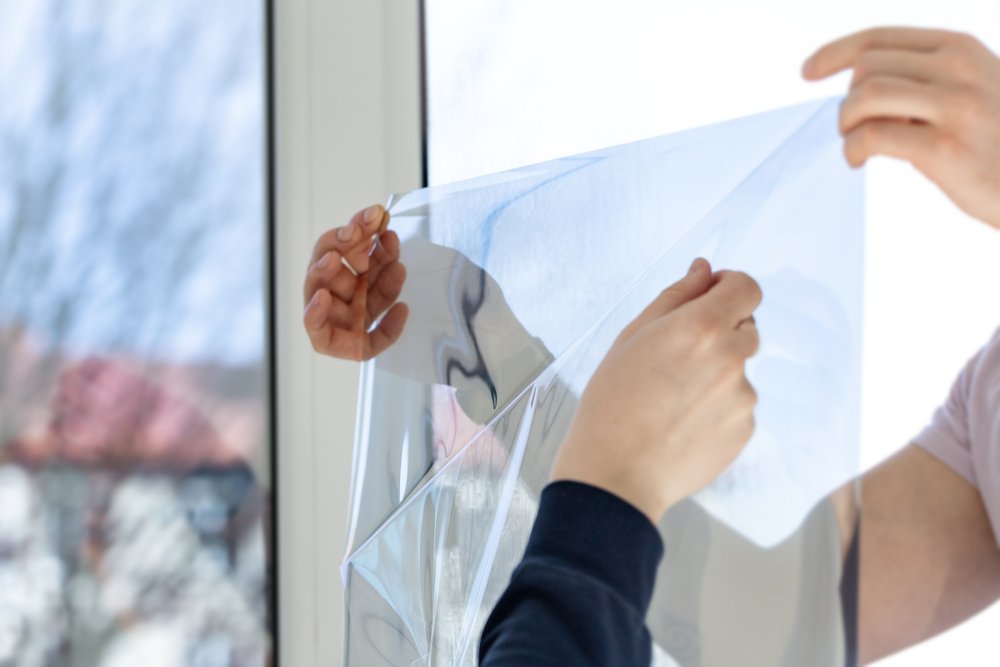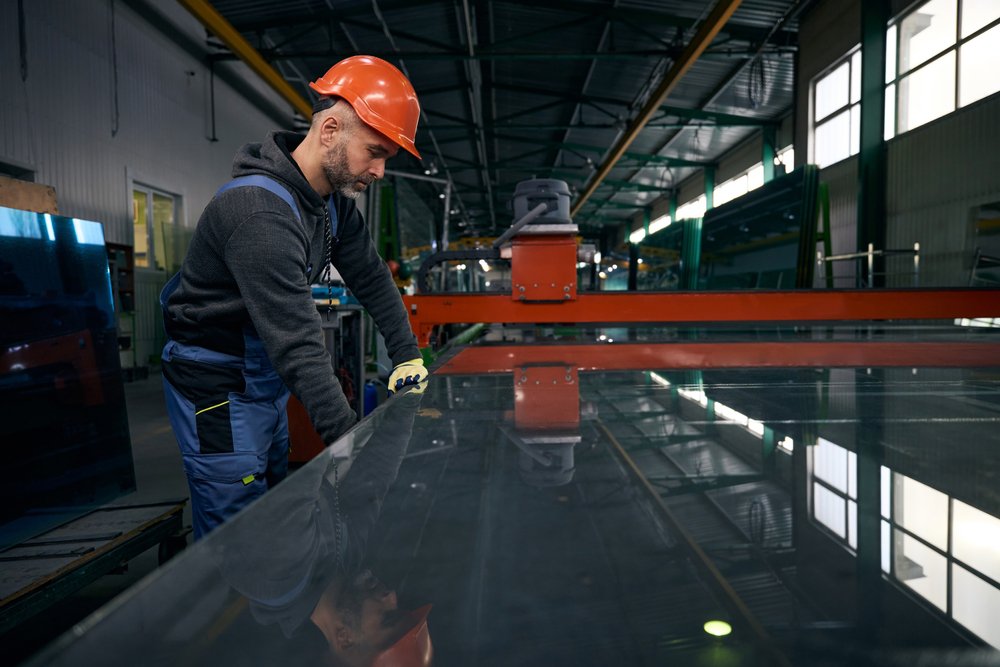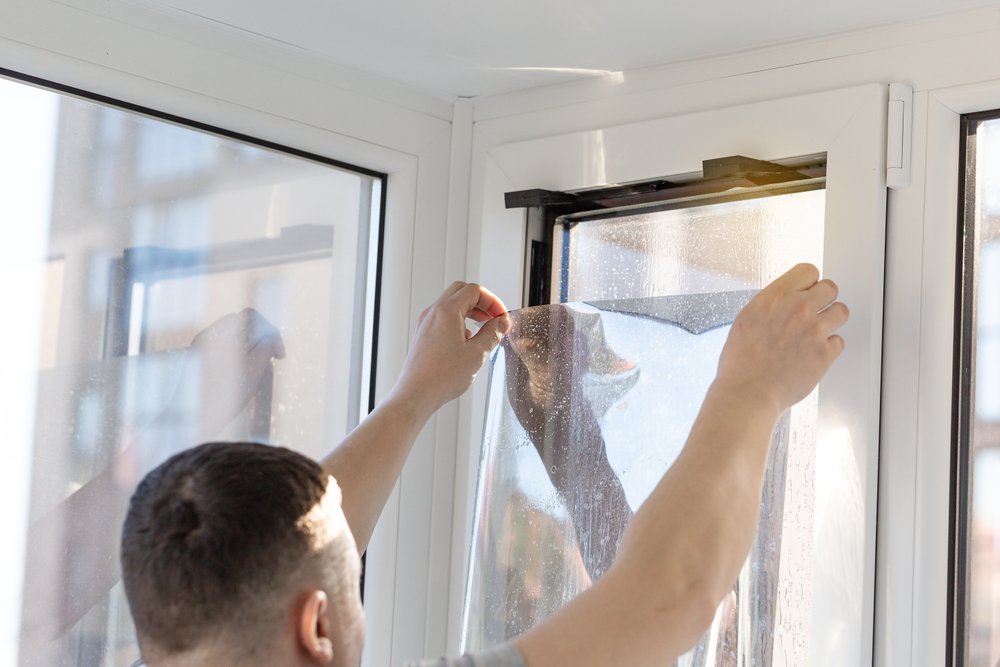
Glass surfaces face constant hazards during manufacturing, shipping, and installation in complex environments. Protective film application safeguards delicate glass while preserving clarity before panels reach final locations. Early surface protection ensures glass maintains flawless performance for extended periods across projects.
Even minor scratches can compromise visual appeal and increase replacement costs throughout large-scale applications. Therefore, integrating protective films into fabrication stages reduces potential damage before units leave facilities. Understanding these strategies allows professionals to maintain durability, appearance, and performance consistently.
Preventing Surface Damage During Handling and Fabrication
Glass panels move across cutting tables, washers, tempering lines, and active staging zones regularly. Protective film application creates a barrier shielding surfaces from debris, tools, and unintended contact. Furthermore, fabrication teams rely on continuous coverage to preserve pristine glass effectively throughout production.
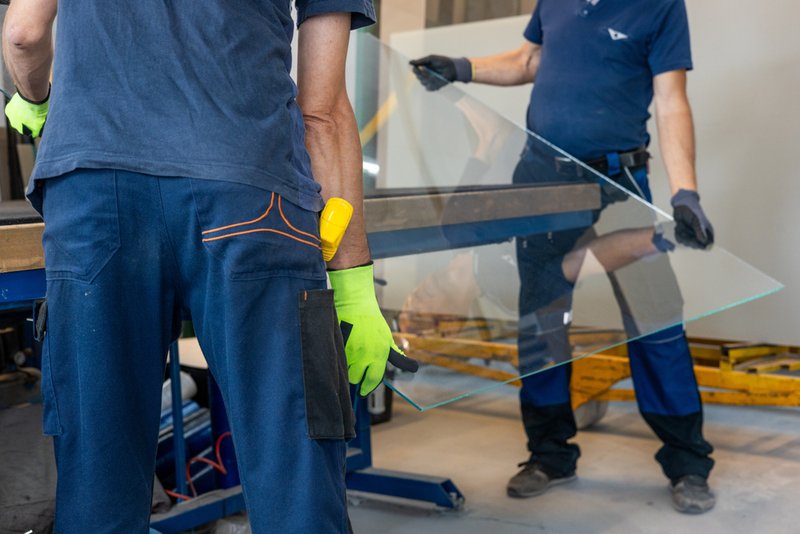
Dust, metal fragments, and packaging materials pose constant scratching risks on untreated surfaces. Consequently, protective film application minimizes exposure while crews transport panels between assembly areas safely. Applying protective films carefully throughout production enhances overall glass durability.
Surface protection additionally supports automated equipment requiring clean, unmarred glass during high-speed processing. Without reliable barriers, minor abrasions may occur before insulated units leave the production lines. Similarly, manufacturers maintain uniform visual quality across batches destined for demanding architectural installations.
Why Protective Film Application Matters Before Glass Leaves the Facility
Before shipment, units encounter pallets, forklifts, packaging stations, and frequent warehouse movement. Protective film application preserves surface clarity while panels move through staging and transportation areas. Protected glass arrives cleaner, reducing preparation efforts once installers begin final placement onsite.
Transportation exposes panels to vibration, shifting crates, and unpredictable handling on busy deliveries. Therefore, protective film application stabilizes surfaces during transport, limiting accidental scratches effectively. Even minor contact during shipping is avoided when glass panels remain protected throughout transport.
Installers particularly value panels arriving ready for placement without extensive cleaning or polishing. Consequently, reliable films maintain appearance across storefronts, curtain walls, and residential window systems. Ultimately, protection strategies ensure schedule reliability and consistent visual quality across all installations.
Maintaining Optical Clarity Throughout Manufacturing
Glass performance relies heavily on flawless surfaces for coatings, sealants, and accurate visual presentation. Protective films prevent haze, residue accumulation, and accidental marks during complex fabrication processes. Additionally, quality teams inspect panels knowing protective layers prevent early contamination or defects.
Low-E coatings particularly benefit from clean glass during production and assembly operations. Surface protection reduces contact that could interfere with uniform coating application or optical clarity. Following best practices for applying protective films ensures minimal surface damage.
Clean glass simplifies sealing for insulated glass unit assembly and complex production sequences. Proper surface protection allows sealants to bond without interference from dust or scratches. Manufacturers maintain high performance standards required for modern energy-efficient glazing systems.
Reducing Long Term Maintenance and Replacement Costs
Minor surface imperfections often result in expensive replacements after installation and daily use.
Protective film application prevents such issues by keeping glass intact during handling and shipping.
Implementing consistent protective strategies improves both efficiency and long-term operational performance outcomes.
Key benefits of effective protective film application include:
- Fewer panels requiring replacement due to scratches or accidental damage during fabrication
- Reduced material waste, lowering overall project costs and enhancing resource efficiency
- Less cleaning or correction work required after panels arrive on-site
- Maintained visual uniformity across building facades and window installations
- Extended glass service life, preserving aesthetics and structural performance simultaneously
Strategically applied protective films reduce maintenance challenges and costly replacements across projects. Similarly, these practices protect glass investments while streamlining installation workflows for contractors. Understanding why protective film application acts as a manufacturing safeguard helps teams maximize durability and reduce waste.
Best Practices That Improve Protective Film Application Results
Successful protection begins with selecting films compatible with coatings and fabrication methods. Protective film application prevents scratches, dust, and minor surface damage during handling stages. Moreover, clean conditions ensure films adhere evenly and maintain optical clarity without trapping debris.
Several steps enhance protective film application and maximize effectiveness:
- Clean all glass surfaces thoroughly before applying protective films to remove dust or debris
- Apply the film evenly using controlled pressure to avoid air pockets or misalignment
- Align edges precisely to cover vulnerable corners completely and protect all surfaces
- Inspect coverage regularly during storage and transport to maintain protective integrity
- Remove films carefully following manufacturer guidelines to prevent adhesive residue on coated surfaces
Following these procedures ensures protective film application preserves glass integrity across demanding projects. Teams benefit from reduced maintenance, fewer damaged units, and smoother installation sequences. Protective film application strengthens long-term durability and maximizes glass value throughout architectural installations.
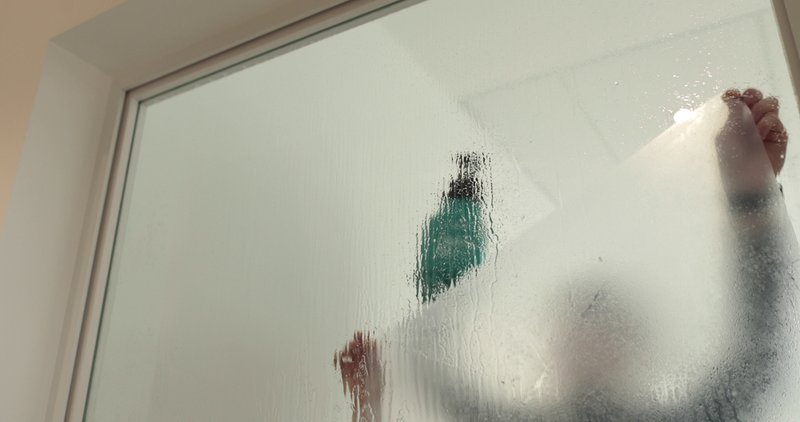
Protective Film Application Ensures Easy Removal Without Residue
Modern films balance strong temporary adhesion with clean removal after final installation completes. Protective films protect surfaces while preventing adhesive residue that could affect finished presentation. Moreover, installers remove films easily once panels reach their final installed positions.
Manufacturers design protective films for coated glass used in insulated units. Protective films accommodate delicate finishes while remaining compatible with spacer systems and coatings. Careful engineering ensures films detach smoothly without affecting transparency or coatings.
Contractors spend less time cleaning surfaces after removing protective films post-installation. Reduced cleanup supports faster completion schedules across commercial and residential projects alike. Ultimately, reliable removal complements the protective function films provide earlier in manufacturing workflows.
Protecting Glass Performance from Fabrication to Final Installation
Protective strategies perform best when integrated across fabrication, storage, transport, and installation stages. Consistent film protection preserves glass quality while improving efficiency throughout the entire supply chain. Professionals increasingly recognize surface protection as practical insurance against scratches and accidental damage.
Experienced teams, including Insul-Lite Manufacturing™, apply premium protective films to insulated glass units. Proper protective film application ensures panels remain visually consistent, structurally sound, and enables scheduling a consultation. Each unit arrives fully protected, supporting reliable performance and minimal maintenance for years of use.