Specifying privacy glazing involves more product choices than it may initially appear. Window films and patterned glass both address similar functional needs, yet they differ significantly in durability, performance, and suitability for different applications. When evaluating reeded glass film against genuine patterned glass, the decision comes down to the demands of the specific installation and the expected service life of the product.
What Reeded Glass Film Is and How It Works
Reeded glass film is an adhesive window film printed or textured to mimic the appearance of genuine reeded patterned glass. It is applied directly to the surface of an existing clear glass pane, creating a visual effect that approximates the privacy and light-diffusing qualities of the real material. The film is available in rolls and can be cut to size on site, making it a flexible option for retrofit applications.
The adhesive backing bonds to the glass surface and can typically be removed without damaging the substrate. This removability is one of the primary advantages of film products in temporary or tenant-controlled installations. When circumstances change, the film can be peeled away and replaced with a different product or left clear.
Film products vary considerably in quality, texture accuracy, and longevity. Lower-grade films may yellow, bubble, or peel over time, particularly in high-humidity environments or locations with direct sun exposure. Premium films perform better but still carry limitations that genuine patterned glass does not share.
Where Reeded Glass Film Falls Short
The most significant limitation of reeded glass film is its durability compared to a glass surface. Film is vulnerable to scratching, especially in high-traffic areas where the glazed surface may be touched frequently. Once scratched, the film cannot be repaired and must be replaced entirely, which adds maintenance costs over the product's lifespan.

Film applied to existing glass does not change the structural or thermal properties of the pane. A single pane with film applied remains a single pane in terms of energy performance. In applications where the glazing is part of the building envelope, film alone does not satisfy insulated glass requirements or contribute meaningfully to thermal efficiency.
The visual effect produced by film also differs from that of genuine patterned glass under close inspection. Film lacks the three-dimensional surface texture of rolled patterned glass, which means the light interaction is flatter and less dynamic. For projects where the quality of the glass finish is a design priority, this difference is typically noticeable.
How Genuine Patterned Glass Compares
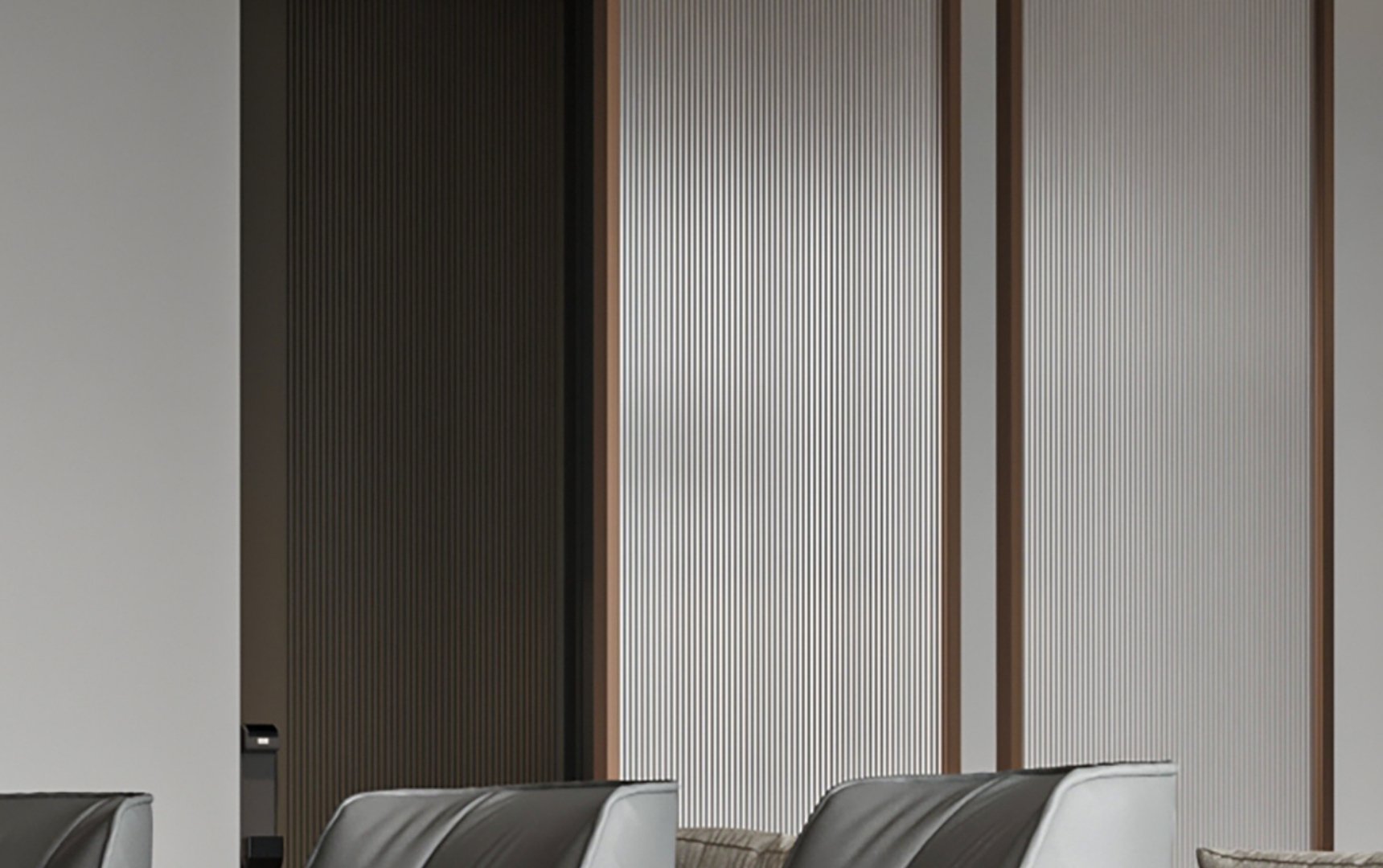
Genuine patterned glass, including reeded and fluted varieties, is manufactured with its texture formed into the glass surface during the rolling process. The texture is a permanent physical characteristic of the material rather than an applied layer. It cannot be scratched off, peeled away, or degraded by cleaning products applied to the glass surface.
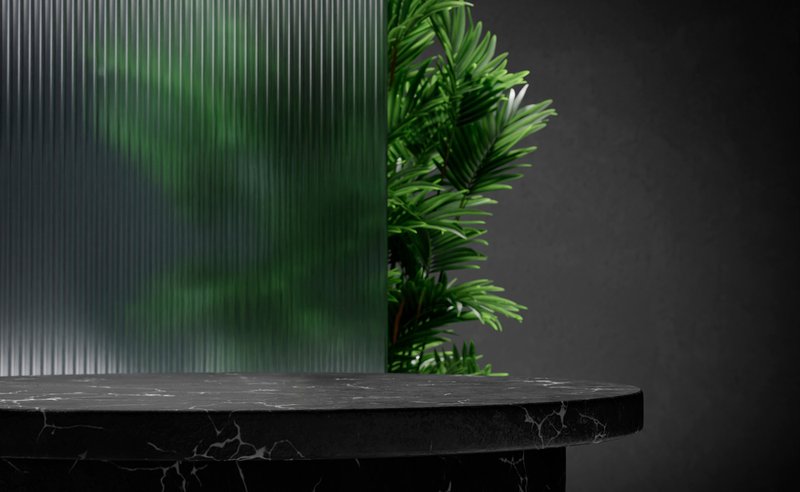
The surface texture of patterned glass produces a light interaction that film cannot replicate. The ridges catch, refract, and scatter light across multiple planes simultaneously, creating a depth and movement that changes with the angle and intensity of incoming light. This optical quality is inherent to the material and does not diminish over time.
Patterned glass is also compatible with the full range of fabrication processes available in the insulated glass industry. It can be tempered for safety compliance, laminated for structural or security applications, and incorporated into sealed insulated glass units with Low-E coatings and gas fill. These fabrication options are not available with film-applied glass without replacing the glass substrate entirely.
Choosing Between Reeded Glass Film and Patterned Glass by Application
Retrofit situations with budget constraints and no thermal requirements are the clearest use case for reeded glass film. Applying film to existing glass avoids the cost and disruption of replacing the glazing unit entirely. For short-term tenancy situations, exhibition fit-outs, or temporary privacy screens, film offers a practical and reversible solution.
New construction and renovation projects where glazing is being specified and installed fresh present a different calculation. The incremental cost of specifying genuine patterned glass over clear glass with film applied is modest when weighed against the long-term performance and maintenance advantages. Patterned glass specified at the outset does not require future replacement due to film degradation.
Applications involving insulated glass units, safety glazing requirements, or high-traffic surfaces should always use genuine patterned glass rather than film. Film products are not a substitute for tempered or laminated safety glass, and they do not contribute to sealed unit performance. Specifying patterned glass in these contexts is the only approach that meets both the functional and code requirements of the installation.
Reeded Glass Film vs Patterned Glass: Durability Over Time
Long-term performance is a critical consideration in any glazing specification. Genuine patterned glass carries the same service life expectancy as standard float glass when incorporated into a properly manufactured sealed unit. The texture does not degrade, fade, or require maintenance beyond standard glass cleaning practices.
Film products, by contrast, carry manufacturer warranties that typically range from five to ten years depending on the product grade and installation conditions. Exposure to UV radiation, temperature cycling, and humidity all affect the rate at which film deteriorates. In exterior or semi-exposed applications, service life may be considerably shorter than the warranty period suggests.
The total cost of ownership over a building's service life favors genuine patterned glass in most permanent applications. Repeated film replacement over a twenty- or thirty-year period accumulates costs and disruption that are avoided entirely when the right material is specified from the start.
Patterned Glass Sealed Units from Insul-Lite Manufacturing™
At Insul-Lite Manufacturing™, we fabricate custom IG sealed units using genuine patterned glass, including reeded and other decorative options, for clients who need performance and longevity built into every unit. For projects moving beyond film solutions toward a permanent, high-performance glazing product, we are equipped to deliver. The difference between a film approximation and a genuine patterned glass unit is clear in every installation.
Contact us today to get a quote on patterned glass sealed units built to your project specifications.