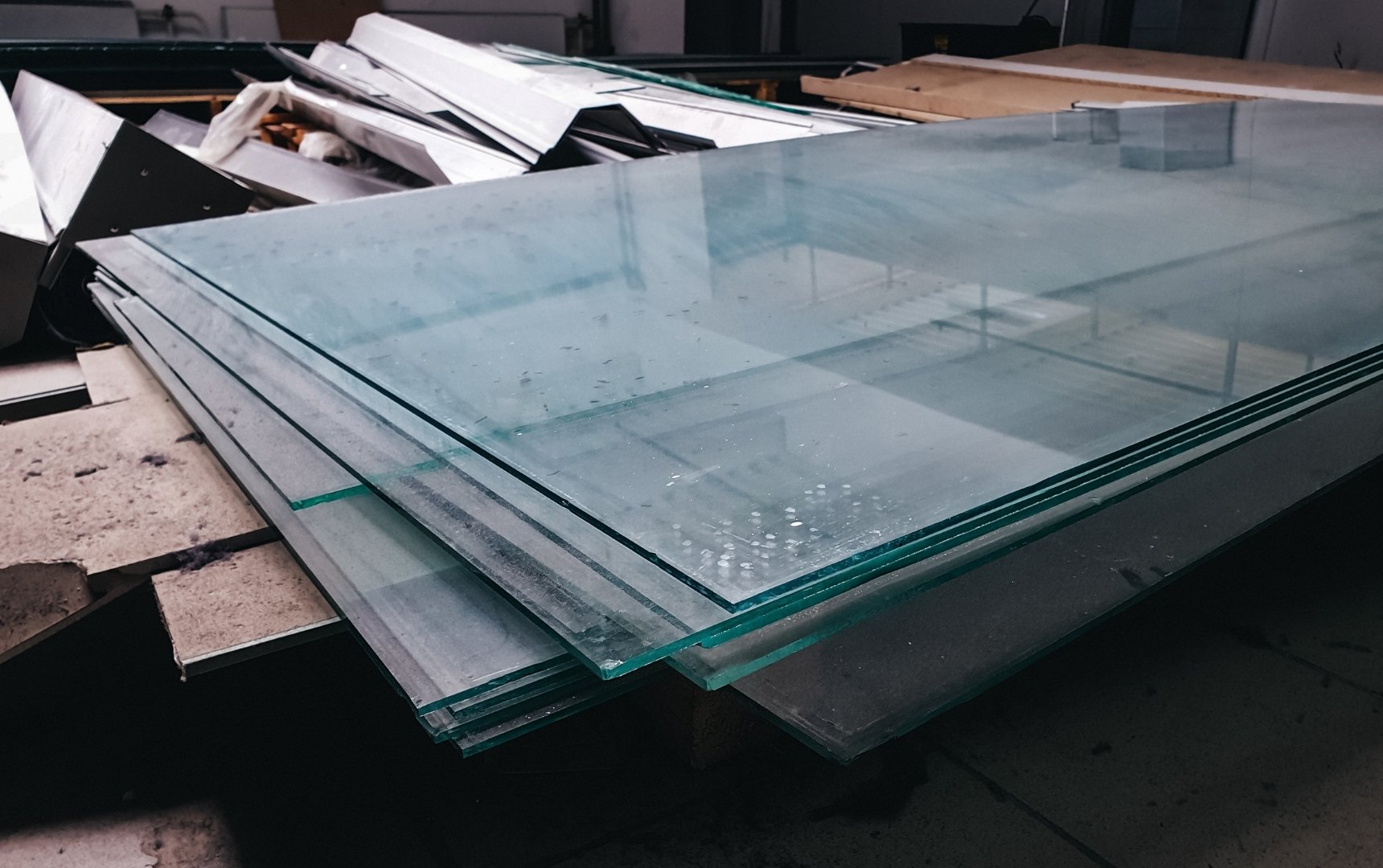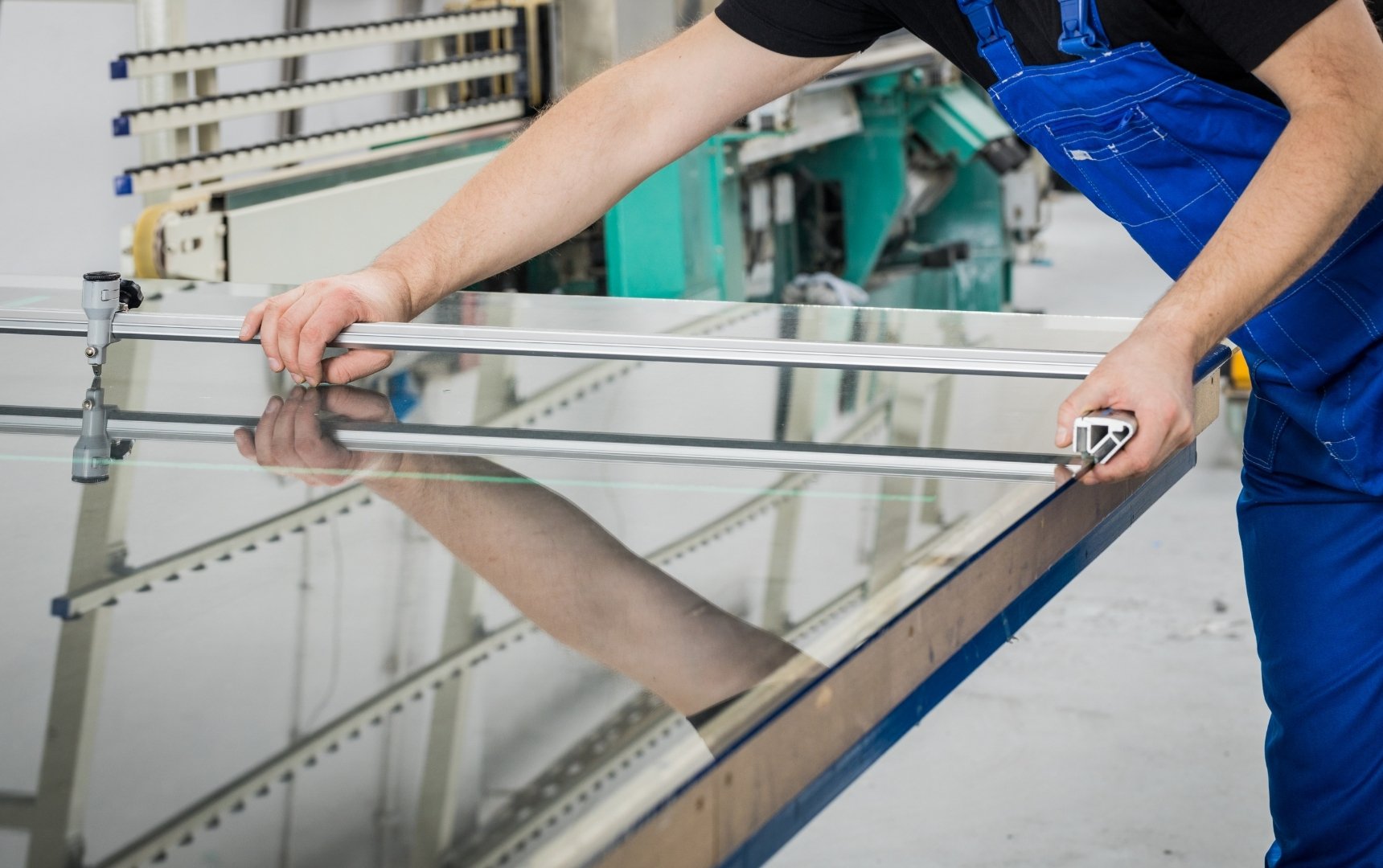
The quality of an insulated glass unit is shaped by decisions made long before the final seal is applied. Glass cutting is one of the earliest stages in IG manufacturing, and the accuracy achieved at this step influences everything that follows.
Precision in glass cutting determines edge quality, spacer fit, seal integrity, and the thermal performance of the finished unit. Understanding how modern CNC cutting systems work and why they matter helps clarify what separates consistently high-quality IG production from processes that tolerate variation.
How Glass Cutting Fits Into IG Manufacturing
Insulated glass units are built through a sequence of interdependent steps. Each stage depends on the quality of the work completed before it. Glass cutting is the first point in that sequence where dimensional accuracy is either established or compromised.
A pane cut with incorrect dimensions or inconsistent edge quality creates problems that compound through every subsequent step, from spacer bar placement to gas filling to final sealing. Correcting errors downstream is far more costly than preventing them at the cutting stage.
What CNC Glass Cutting Systems Do Differently
Manual glass cutting relies on operator skill and introduces variation between cuts. CNC glass cutting systems use computer-controlled machinery to execute precise, repeatable cuts based on digital input. The cutting head follows programmed dimensions with a level of accuracy that manual methods cannot consistently match.
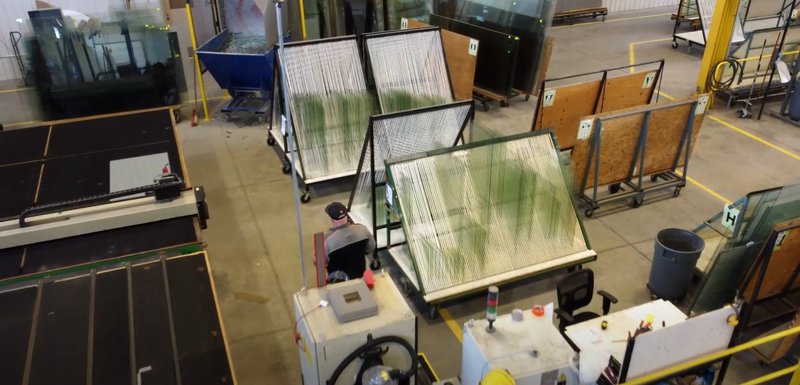
Modern CNC systems also integrate scoring and breaking into a single automated sequence, reducing the handling steps that introduce the most risk of edge damage. The result is a cut edge that is more uniform, more consistent across a production run, and less likely to carry micro-fractures that weaken the pane.
Edge Quality and Its Downstream Effects
The condition of the cut edge has direct consequences for unit performance. A clean, consistent edge supports proper spacer bar seating and allows the primary and secondary sealants to bond correctly around the perimeter. A rough or chipped edge creates irregular contact surfaces that compromise seal adhesion.
Over time, a poorly sealed unit is more vulnerable to moisture infiltration, which leads to fogging between the panes and loss of thermal performance. Edge quality established at the cutting stage is therefore not just an aesthetic concern. It is a structural and performance factor that carries through to the finished unit.
Dimensional Accuracy and Spacer Alignment
Spacer bars define the cavity between the glass panes and are critical to both the thermal performance and structural integrity of the unit. When glass cutting produces panes that are slightly out of dimension, the spacer cannot seat correctly. Even small discrepancies in pane size affect the uniformity of the spacer reveal around the perimeter.
An uneven reveal creates weak points in the seal and can affect how the unit sits within its frame after installation. CNC glass cutting holds dimensional tolerances that manual cutting cannot reliably achieve, which means spacer alignment is more consistent from unit to unit.
Material Yield and Production Efficiency
Precision glass cutting also has a direct impact on material yield. CNC systems optimize cut layouts across a glass sheet to minimize waste. Manual cutting relies on operator judgment for nesting decisions, which typically results in higher offcut waste.
For a high-volume IG manufacturer, even modest improvements in yield translate into meaningful reductions in raw material cost over time. CNC systems also reduce the rate of cuts that must be scrapped due to dimensional error or edge damage, further improving overall production efficiency.
Consistency Across Production Runs
One of the most important advantages of CNC glass cutting is the ability to reproduce results consistently across large production volumes. A CNC system programmed for a specific unit size will cut that size to the same tolerance on the first unit and the thousandth unit. Manual cutting introduces variability that tends to increase with operator fatigue and production volume.
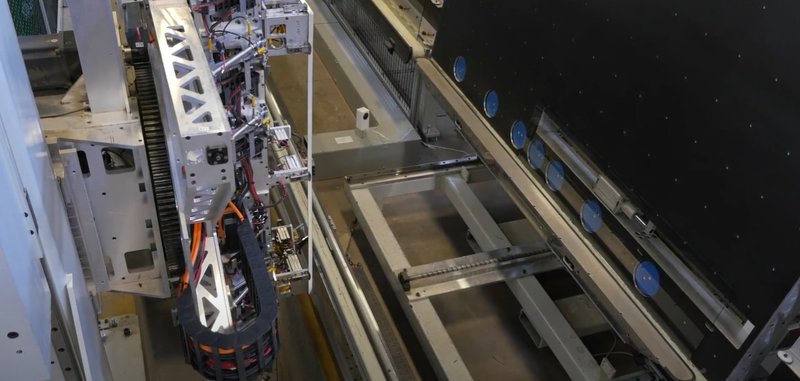
For manufacturers supplying window fabricators and glazing contractors who depend on consistent unit dimensions, that repeatability is not a minor benefit. It is foundational to delivering a reliable product.
How Cutting Precision Affects Energy Performance
Insulated glass units are specified for thermal performance, and the seal is the primary barrier maintaining that performance over the unit's service life. Argon and other fill gases escape more readily through a compromised seal. Low-E coatings perform as specified only when the unit maintains its intended cavity conditions.
Both of these performance factors depend on seal integrity, which in turn depends on the edge quality and dimensional accuracy established during glass cutting. A unit that performs well on day one but fails its seal within a few years often traces that failure back to early manufacturing steps, including the quality of the initial cut.
Precision Glass Cutting at Insul-Lite Manufacturing™
At Insul-Lite Manufacturing™, glass cutting is integrated into our PDS automated production line, which is built around the kind of precision that consistent, high-performance insulated glass units require. Every unit we produce begins with accurate, clean cuts that support proper edge sealing, spacer alignment, and long-term performance. For window manufacturers and glazing contractors who need units they can count on, that foundation matters.
Contact us today to discuss your IG unit requirements and get a quote from our team.