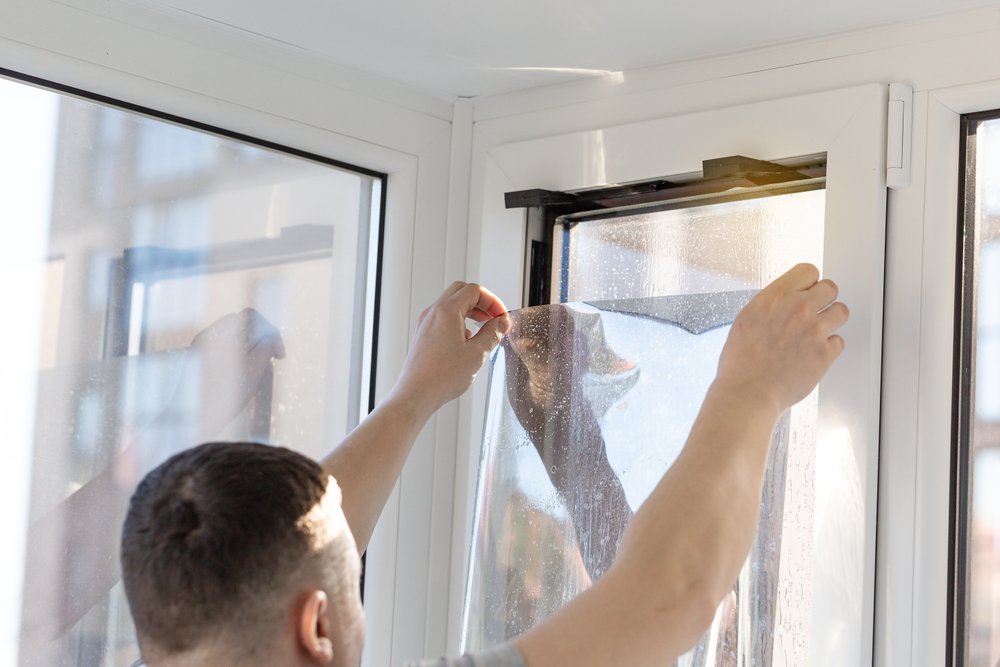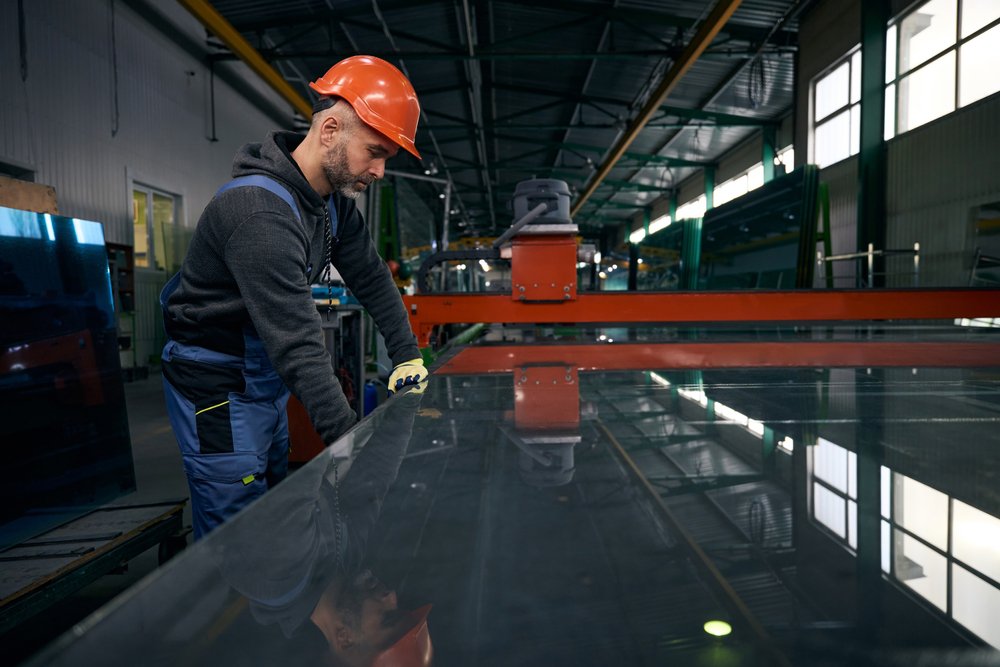
Protective film application is essential for maintaining glass quality during fabrication, transport, and installation processes efficiently. Applying a protective layer early prevents scratches, debris accumulation, and handling marks before final delivery. Manufacturers increasingly recognize that this approach ensures client-ready surfaces while reducing rework and avoiding project delays.
Early film application preserves surface finishes, supporting consistent quality across multiple panels and complex installations. It also minimizes contamination from handling, cutting, or washing processes that could compromise glass integrity. Therefore, integrating protective film application into standard manufacturing practices enhances operational efficiency and overall customer satisfaction.
Surface Damage After Fabrication and the Role of Protective Film Application
Glass panels frequently encounter scratches, chips, or scuffs once they leave the controlled manufacturing environment. Additionally, minor contact with tools, pallets, or transport systems can compromise surface integrity even when production quality is excellent. Recognizing that post-production handling presents the highest risk emphasizes the importance of protective film application.

Key sources of surface damage include:
- Scratches and nicks from tools, pallets, or handling during transport
- Dust, debris, or particles accumulating during storage or staging
- Vibrations and impacts while moving panels across facilities or job sites
- Contact with protective materials or packaging that shifts during shipment
- Accidental contact from personnel during inspection or installation preparation
Implementing protective film application creates a resilient barrier that absorbs minor impacts and keeps surfaces intact. Teams that follow best practices for applying protective films on glass report fewer replacements and improved operational efficiency. Consequently, addressing these potential damage points early significantly reduces rework, replacement rates, and project delays.
Protective Film Application Shields Surfaces From Handling Marks
Protective film application functions as a physical barrier against scratches, fingerprints, and particulate accumulation. In addition, high-quality films adhere uniformly without leaving residue, ensuring surfaces remain pristine for subsequent processing or finishing. Similarly, handling glass with applied film minimizes accidental contact, reducing the risk of visual defects across multiple projects.
Transport crews encounter numerous potential hazards when moving panels across facilities or between job sites. Protective film absorbs friction and incidental contact, preserving the underlying finish for final installation. Manufacturing teams that integrate film to preserve glass during transport and installation experience more predictable results and improved client satisfaction.
Careful film selection supports long-term performance under varying environmental conditions. Likewise, some films offer enhanced adhesion or UV resistance, preventing degradation during outdoor staging periods. Evaluating project-specific risks ensures the chosen protective film maximizes durability and protection throughout the supply chain.
Early Application Preserves Finish Quality
Applying protective film immediately after fabrication locks in surface integrity before exposure to operational hazards. Early application reduces contamination from handling, cutting, or washing processes, which are common during assembly. Ensuring flawless finishes supports premium window products and high-end installations requiring exceptional visual standards.
Installation schedules are often tight, demanding that finished glass arrive ready for immediate placement. Protective film application allows installers to work efficiently without additional cleaning or repair steps. Moreover, following enhanced durability techniques for window manufacturing ensures consistent outcomes and minimal rework.
Preemptive protective measures also minimize rework and replacement rates. Lower rework translates into decreased labor hours and fewer wasted materials, delivering measurable operational benefits. Early application ensures consistency across batches, reinforcing manufacturing reliability and quality control practices.
Reduced Damage Supports Tighter Timelines
Unprotected glass frequently necessitates repairs, delaying project timelines and complicating logistics planning. Protective film application reduces surface blemishes that would otherwise require replacement or refinishing. As a result, smoother workflows accelerate project completion while supporting client satisfaction with timely delivery.
Coordinating multiple panels for large-scale projects demands precision in handling and scheduling. Incorporating protective film application ensures that fewer panels need intervention, preserving critical timelines. Teams employing advanced protective film solutions that outperform traditional methods report more predictable delivery schedules and lower material losses.
Strategic protective measures also help mitigate supply chain disruptions. Minimizing damage lowers the risk of emergency orders or expedited shipments, which can be costly and inefficient. Therefore, projects benefit when these measures complement broader risk management strategies across manufacturing and logistics.
Film Removal Reveals a Clean, Client-Ready Surface
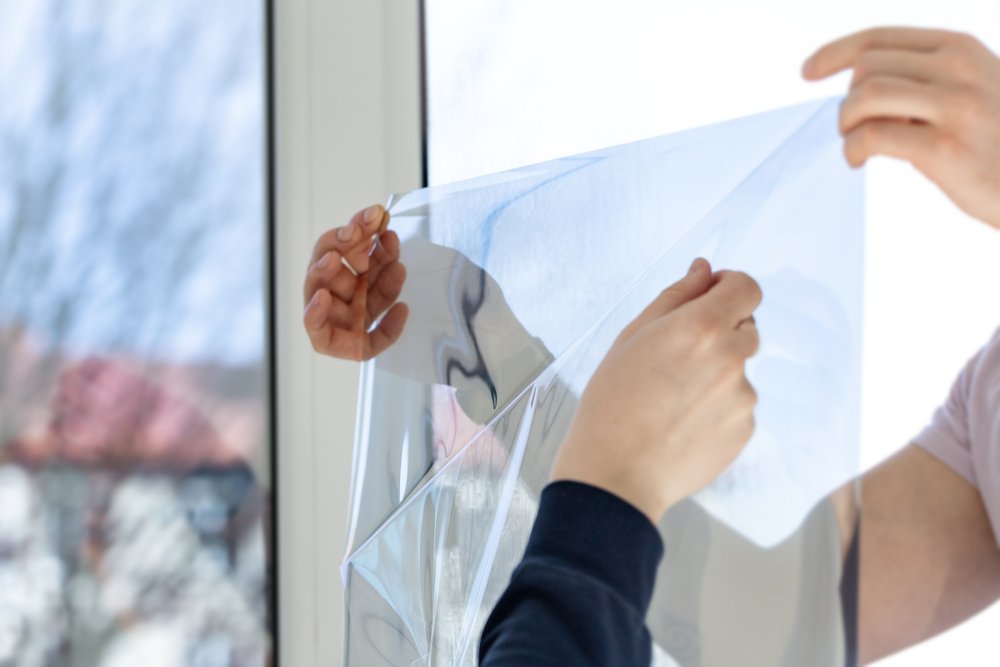
Removing protective film at the installation site exposes unblemished glass, ready for immediate placement. Proper protective film application ensures that the surface remains free of adhesive residue, preserving pristine quality. Consequently, client satisfaction improves when delivered panels meet aesthetic and functional expectations without further cleaning or repair.
Key factors to ensure a flawless finish include:
- Timing the film removal to prevent adhesion issues or residue buildup
- Avoiding exposure to extreme temperatures that may affect adhesive performance
- Ensuring proper peeling technique to maintain unblemished surfaces
- Minimizing contact with personnel or tools during removal to prevent scratches
- Training teams to follow consistent procedures for handling and film removal
Controlled removal maintains surface clarity and simplifies installation workflow. Furthermore, consistent protective film application and removal practices reduce defects while supporting overall project timelines.

Integrating Protective Film Application Into Quality Control
Protective film application should be recognized as an integral component of overall quality assurance processes. Incorporating film during manufacturing stages helps identify panels requiring additional inspection before shipping. Integrating protective measures strengthens control over surface appearance, minimizing disruptions and ensuring consistency.
Regular audits of film application practices reinforce standards and prevent errors that could compromise product quality. Consistency in technique ensures that every panel receives optimal coverage, reducing variation between batches. Teams can achieve higher quality outcomes by aligning protective film application with durability-focused glass management techniques.
Proactive quality control that includes protective film application also enhances manufacturer credibility. Delivering consistently flawless surfaces builds trust with glazing contractors and end clients. Establishing rigorous, repeatable procedures benefits both operational efficiency and long-term client satisfaction.
Safeguarding Glass Quality From Production Through Delivery
Protective film application is a proactive safeguard that prevents scratches, debris accumulation, and finish degradation throughout the supply chain. Moreover, early application enhances production reliability, reduces rework, and ensures client-ready surfaces upon delivery and installation. Understanding its role within quality management allows manufacturers to preserve both aesthetics and operational efficiency.
Partnering with experienced suppliers ensures processes align with project goals, schedule requirements, and finish expectations. Choosing Insul-Lite Manufacturing™ provides access to expertise, high-performance materials, and efficient procedures that safeguard glass quality. Careful management at every stage supports timelines, reduces replacements, and maintains consistently pristine results for clients. Contact us today to discuss how these solutions can benefit your project.