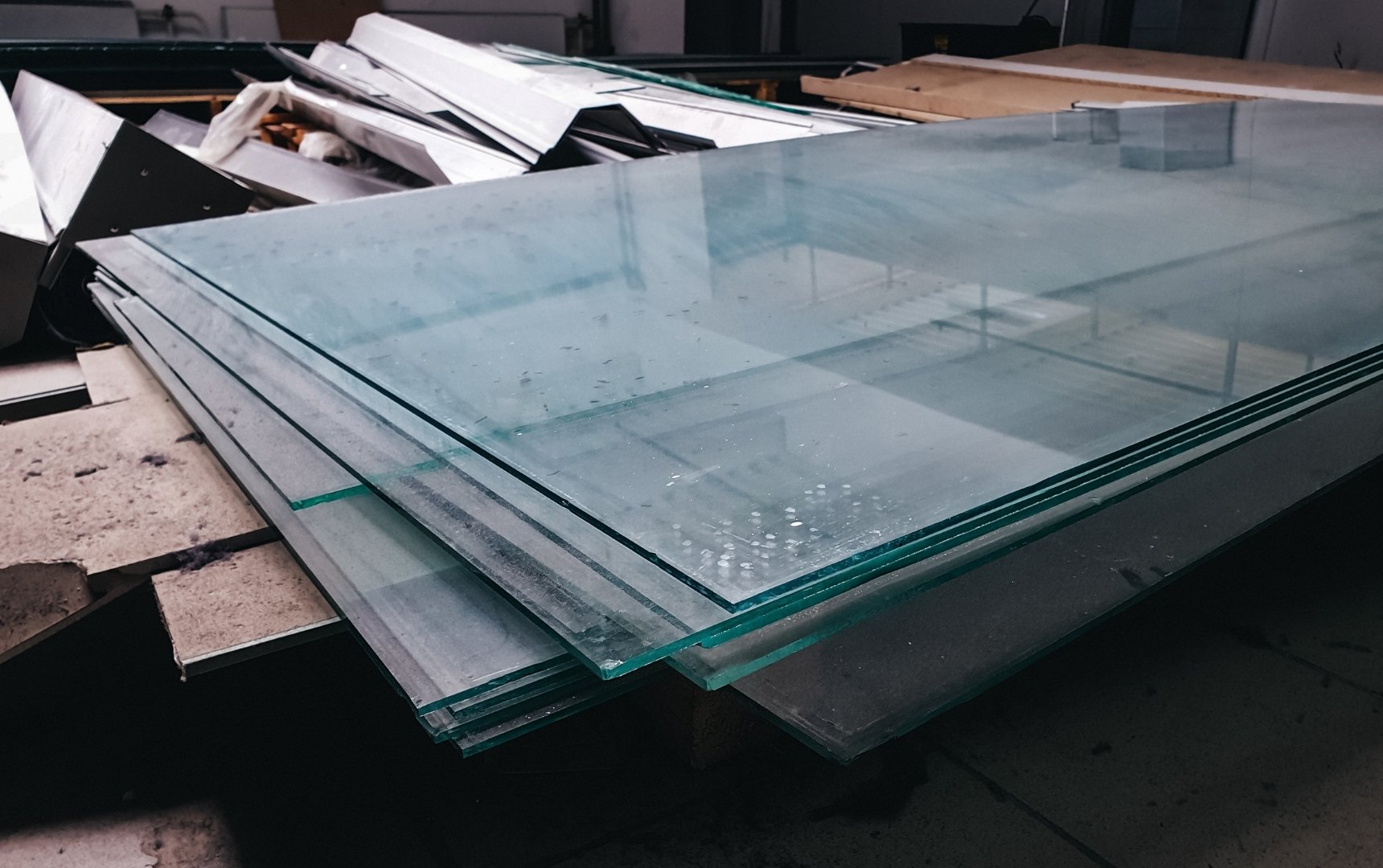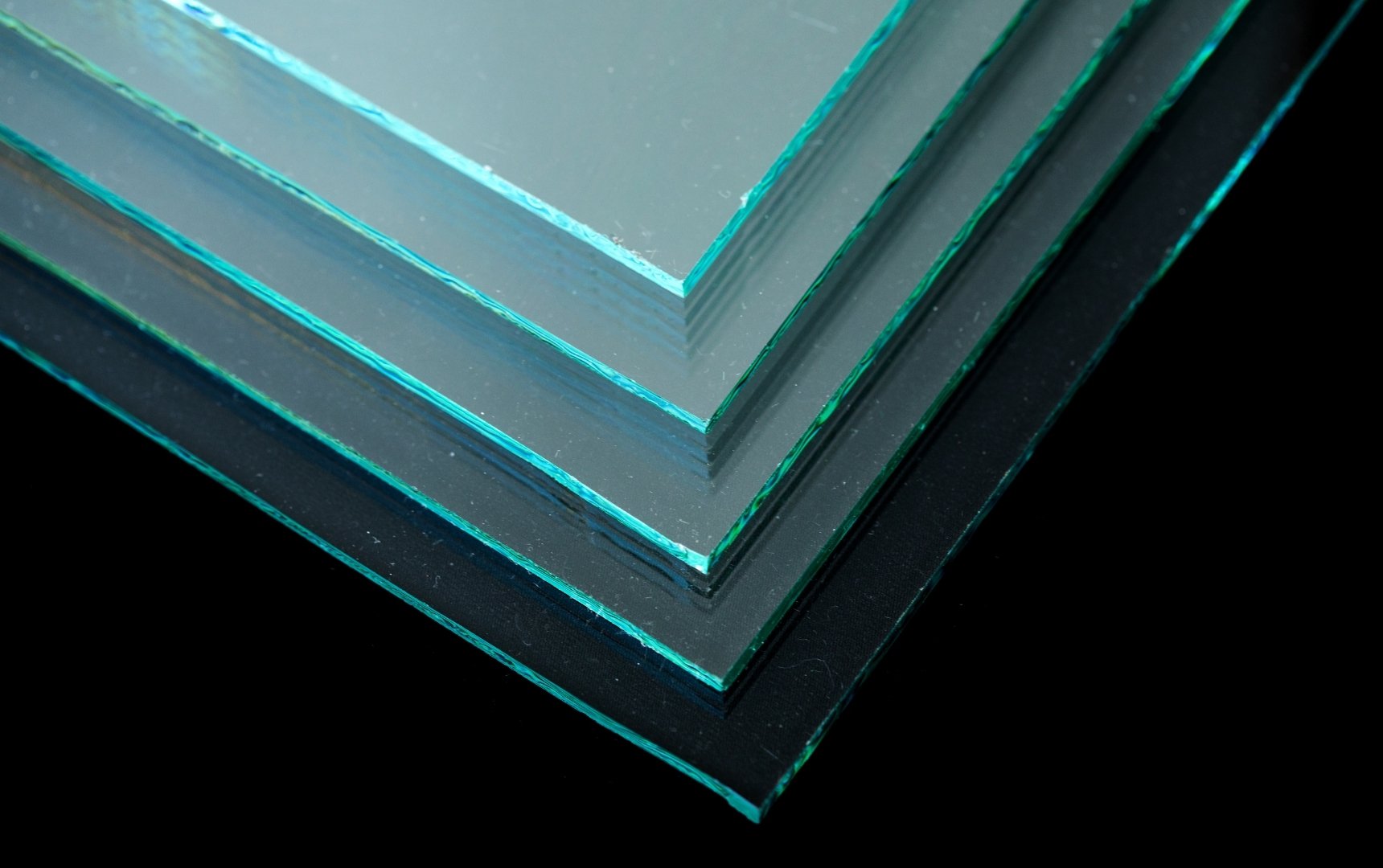
Glass replacements, building inspections, and renovation projects all share a common challenge: confirming what type of glass is already installed. Knowing how to tell if glass is tempered is a practical skill that affects safety decisions, code compliance, and material specifications on active job sites. Tempered glass is mandated in many locations by building codes, but identifying it after installation requires knowing where to look and what to look for.
What Makes Tempered Glass Different
Tempered glass is produced by heating annealed glass to a high temperature and then rapidly cooling the surface. This process places the outer layers under compression while the interior remains under tension. The result is a pane that is significantly stronger than standard annealed glass and that behaves very differently when it breaks.
Rather than fracturing into long, sharp shards, tempered glass disintegrates into small, blunt fragments. This fracture pattern is the defining safety characteristic that drives its use in hazardous glazing locations. Visually and dimensionally, tempered glass is often indistinguishable from standard glass, which is what makes field identification a skill worth developing.
The Most Reliable Way to Tell If Glass Is Tempered
Look for the permanent safety stamp. The most dependable method for identifying tempered glass is locating the manufacturer's safety stamp. This etched or ceramic-printed mark is applied before the glass is tempered and cannot be removed without damaging the pane.
It is typically found in one of the corners of the glass, though some manufacturers place it along the edge. The stamp is often small and may require close inspection, particularly in low-light conditions or when the glass is dirty. Checking all four corners is advisable, as placement varies by manufacturer.
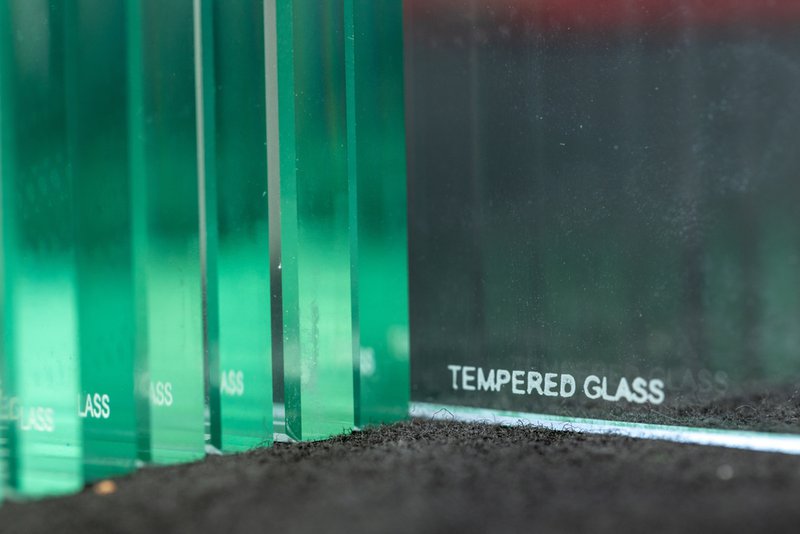
Understand what the certification mark confirms. The safety stamp identifies the glass as meeting a recognized safety glazing standard, such as CPSC 16 CFR 1201 in the United States or CAN/CGSB-12.1 in Canada. It typically includes the manufacturer's name or logo, the applicable standard, and the glass category.
This mark serves as the authoritative confirmation that the glass was tempered and tested to the required standard. The stamp should never be removed or obscured, as it is the primary record of compliance for that pane. In the absence of this mark, no other method provides the same level of certainty.
Other Methods for Identifying Tempered Glass
View the glass through polarized lenses. Polarized sunglasses or a polarized camera filter can reveal stress patterns within tempered glass that are invisible to the naked eye. When viewed through a polarizing lens at the right angle, tempered glass often displays dark lines, a faint grid pattern, or a checkerboard-like appearance caused by the internal stresses introduced during the tempering process.
Annealed glass does not produce these patterns. Natural daylight or a bright interior light source improves visibility. This method works best as a supplementary check and is most effective when the stamp is missing or difficult to locate.
Examine edge quality when accessible. Tempered glass is cut and finished before it is tempered, because the tempering process locks the glass into its final dimensions. As a result, tempered glass typically has smooth, polished, or finely ground edges rather than the raw cut edge common on untempered panes.
When the edge of a pane is accessible, its finish can provide a useful secondary indicator. This method has limitations, as edge access is often restricted by framing and glazing systems, and edge finishing practices vary by manufacturer and application.
Review manufacturer documentation. Window labels, shop drawings, product specifications, and installation records can confirm glass type when physical markings are unavailable. For newer construction, the original window manufacturer's documentation should specify whether safety glass was used in each location.
For commercial projects, glazing submittals and inspection records may contain this information. When documentation is available, it provides reliable confirmation that does not depend on the condition of the installed glass.
Common Myths About Identifying Tempered Glass
Several field assumptions about tempered glass identification are unreliable and worth addressing directly. Thickness alone does not indicate whether glass is tempered. Tempered glass is available in the same range of thicknesses as standard annealed glass. Color and tint are also not indicators of tempering.
Both tempered and annealed glass are available in clear, tinted, and coated versions. Sound tests, sometimes used informally on job sites, are not a reliable method of distinguishing tempered glass from standard glass. Surface appearance is typically identical between the two types. Destructive testing, such as striking the glass to observe how it breaks, should never be used as an identification method on installed glazing.
When Identification Becomes More Difficult
Older buildings. Safety stamps on older glass may have faded, been painted over, or been obscured during previous renovations. Buildings that predate current safety glazing codes may have original glazing that was never tempered, or may have had panes replaced at various points with varying levels of documentation. Assumptions about older glass in hazardous locations should be avoided.

Framed or concealed glass. Window frames frequently overlap the corners where safety stamps are placed. In fully framed installations, it may be necessary to carefully examine every visible edge of the glass before concluding that no stamp exists. Removing the glass for inspection is rarely practical and introduces its own risks.
Specialty architectural glass. Laminated, insulated, and coated glass products may incorporate tempered components, but their identification requires more careful review. A laminated unit may contain a tempered lite, or it may not. An insulated glass unit may use tempered glass on one or both panes, depending on the application. In these cases, manufacturer verification or project documentation is the most reliable path to confirmation.
What to Do When Glass Type Cannot Be Confirmed
When a safety stamp cannot be located and no documentation is available, assumptions should not be made in code-required locations. The original manufacturer or installer should be contacted if records exist. A qualified glazing professional can assess the situation and recommend next steps.
When glass in a hazardous location cannot be confirmed as tempered, and the installation is subject to current code requirements, replacement with a documented safety glazing product is the appropriate course of action. Occupant safety and code compliance should take precedence over the cost of replacing glass that may or may not meet the required standard.
Tempered Sealed Units from Insul-Lite Manufacturing™
Knowing how to tell if glass is tempered keeps inspections accurate, renovations compliant, and occupants safe. The permanent safety stamp remains the most reliable identification method, while polarized lenses and project documentation offer useful backup when markings are hard to find.
At Insul-Lite Manufacturing™, we incorporate tempered glass into our insulated glass units for applications where safety glazing is required, with every unit built to consistent standards on our automated production line.
Contact us today to get a quotation from our team.