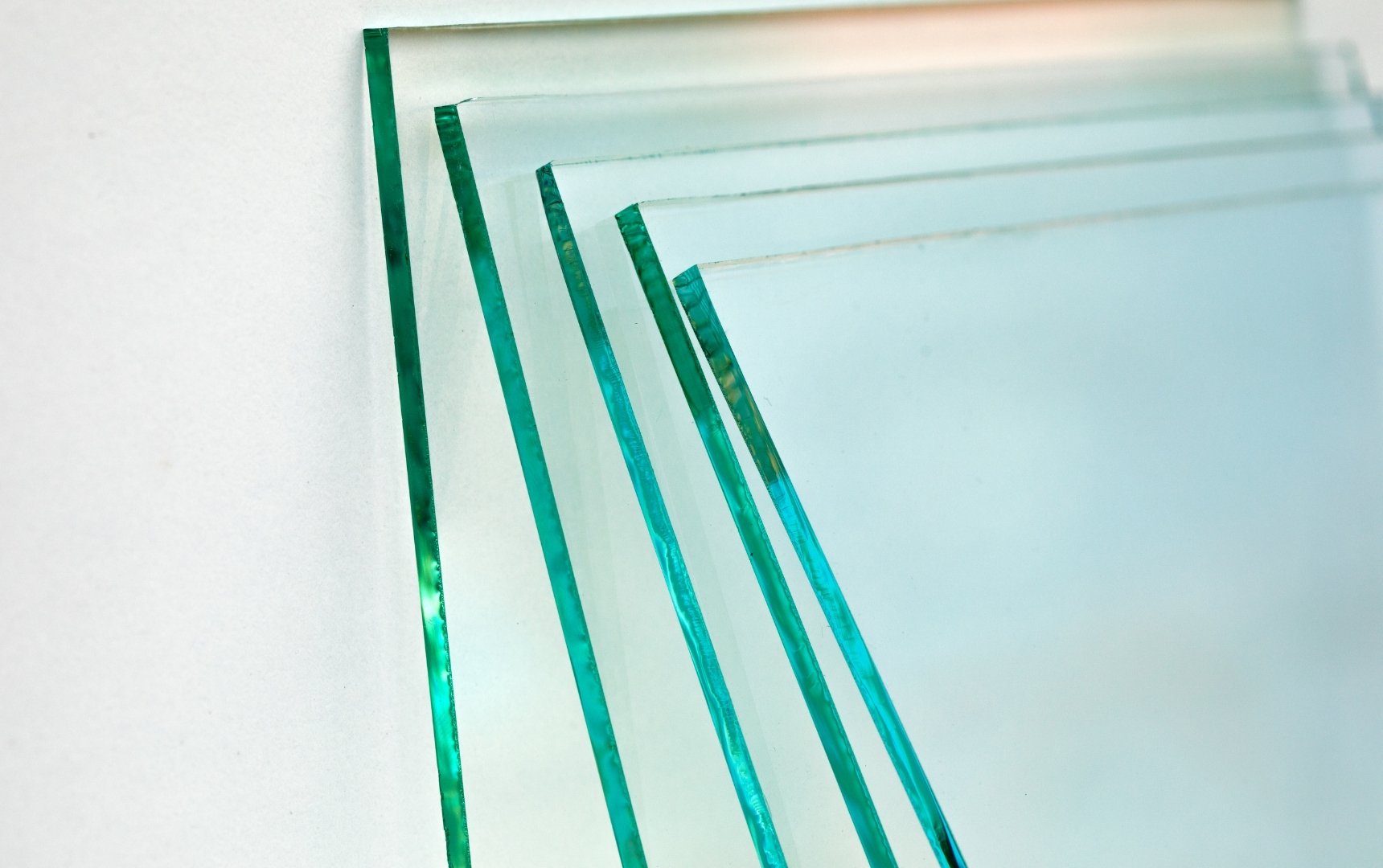
Modern glazing systems depend on materials that can withstand the physical demands of construction and daily use. Among these materials, tempered glass stands out as one of the most important advances in the industry. Knowing what tempered glass is, how it is made, and where it belongs in a glazing system helps professionals make smarter decisions on every project.
How Tempered Glass Is Made
Tempered glass is produced through a controlled thermal process. Standard annealed glass is heated to temperatures above 600 degrees Celsius. It is then rapidly cooled using a technique called quenching.
This rapid cooling creates tension in the outer surfaces and compression in the core. The result is a glass pane that is significantly stronger than standard glass. These internal stresses give tempered glass its defining mechanical properties.
One key consequence of tempering is that the glass cannot be cut or drilled afterward. All shaping, drilling, and edge work must be completed before the thermal treatment. Any attempt to modify it after tempering will cause the pane to shatter entirely.
What Makes Tempered Glass Different from Standard Glass
The strength difference between tempered and annealed glass is substantial. Tempered glass is typically four to five times stronger under bending stress. It also withstands greater temperature variations without cracking.
When tempered glass does break, it fractures into small, rounded granules rather than sharp shards. This characteristic makes it far safer in occupied spaces. Building codes across North America recognize this and require tempered glass in many applications.
Standard annealed glass, by contrast, breaks into long, jagged pieces that pose serious injury risks. The safety profile of tempered glass is one of the main reasons it has become standard in commercial and residential construction. Its failure mode alone justifies its widespread use.

Where Tempered Glass Is Required in Glazing Applications
Building codes define specific locations where tempered glass is mandatory. These are areas where the risk of human impact or thermal stress is elevated. Common requirements include doors, sidelights, and windows near floor level.
In commercial settings, large storefront glazing systems almost always call for tempered units. Curtain walls, overhead glazing, and skylights are other areas where building codes enforce safety glazing. Shower enclosures and glass partitions in office environments follow the same requirements.
Residential construction has its own set of requirements. Windows adjacent to bathtubs, stairways, and entry doors are typically subject to safety glazing mandates. Knowing these requirements helps professionals specify the right product from the outset.
Tempered Glass in Insulated Glass Units
Tempered glass is frequently incorporated into insulated glass units (IGUs), also known as sealed units. An IGU combines two or more panes separated by a spacer and sealed with an inert gas such as argon. Adding tempered panes to this assembly improves both safety and thermal performance.
The increased strength of tempered panes allows for larger unit sizes without compromising structural integrity. This is particularly valuable in commercial projects with expansive glazing designs. Larger panes mean fewer frame interruptions and greater visual clarity.
Tempered glass can also be paired with Low-E coatings to enhance energy efficiency in these units. The coating reduces heat transfer through the glass while the tempered pane handles structural demands. This combination delivers performance across multiple criteria at once.
Tempered Glass vs. Laminated Glass: Choosing the Right Safety Glazing
Tempered and laminated glass are both classified as safety glazing, but they serve different purposes. Laminated glass holds together after breakage because a polyvinyl butyral (PVB) interlayer binds the panes. Tempered glass, by contrast, shatters completely into small granules when it fails.
Laminated glass is the preferred choice where post-breakage integrity is essential. Overhead glazing, hurricane-rated windows, and glass floors often require laminated units. The intact pane prevents debris from falling and maintains a barrier even after impact.

Tempered glass excels where high impact resistance and safe fracture behavior are the priorities. Doors, sidelights, and large commercial facades are typical tempered applications. Each project's code requirements and performance goals should guide the selection between the two.
Quality Standards That Govern Tempered Glass
Tempered glass must meet strict industry standards before it can be used in code-compliant applications. In North America, ASTM C1048 governs the requirements for heat-treated flat glass. Canadian projects also reference CAN/CGSB standards for safety glazing.
Every tempered pane is required to bear a permanent marking, known as a bug, that identifies it as safety glazing. This marking cannot be removed and certifies compliance for inspectors and building officials. Working with suppliers who follow these standards is essential for project compliance.
The Fenestration and Glazing Industry Alliance (FGIA) provides guidelines that support consistent quality across the supply chain. Manufacturers who align with these guidelines reduce risk for the professionals who specify and install their products. Quality documentation from the supplier is a reliable indicator of adherence to these standards.
Tempered Glass Solutions from Insul-Lite Manufacturing
Insul-Lite Manufacturing™ supplies tempered glass as part of our insulated glass unit offering. As a top-tier wholesale sealed unit manufacturer, we provide lites and custom sealed units to window manufacturers, glazing contractors, and glass shops across Alberta and British Columbia. Our tempered glass options can be combined with Low-E coatings, spacer bars, and other IG options to meet project specifications.
Reach out to our team today and let us help you source the right tempered glass sealed units for your next project. Contact us today to get started.