High-performance windows now rely on foam spacers for insulation at glass edges. Additionally, edge performance significantly influences how insulated glass units maintain consistent indoor temperatures efficiently. Architects and glazing professionals incorporate advanced spacer systems when designing energy-efficient modern building envelopes.
Thermal performance at the window perimeter often determines whether an insulated glass unit performs as intended. Therefore, improved spacer technology helps minimize energy loss where traditional materials historically created thermal weaknesses. Modern glazing systems increasingly incorporate flexible insulating components that support comfort and long-term durability.
Understanding Edge Performance in Insulated Glass Units
Insulated glass units rely on precise component integration to maintain consistent performance effectively. Glass panes and gas fills provide important insulation, yet edge components influence overall efficiency. Foam spacers reinforce the insulated edge where temperature differences frequently cause energy transfer.
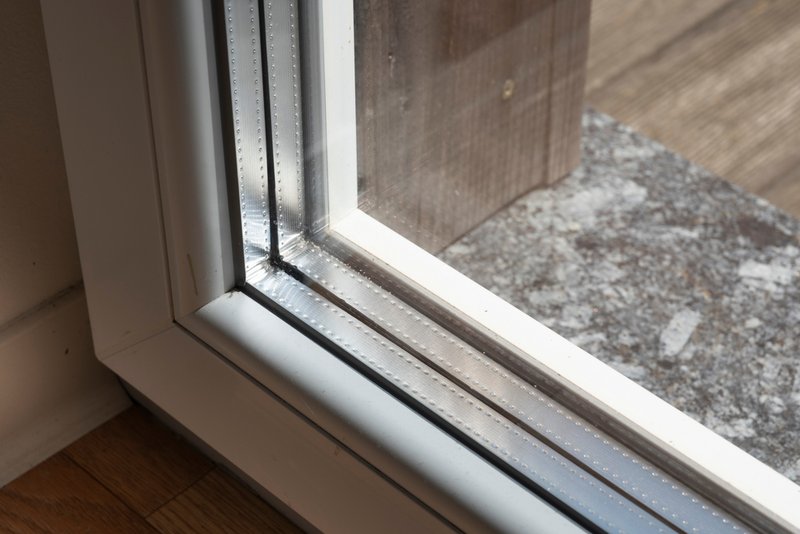
Thermal bridging often occurs where conductive spacer materials connect interior and exterior glass surfaces. Foam spacers reduce heat flow because their composition limits conductivity across the perimeter. These benefits of foam spacers include improved edge insulation and better overall thermal performance in insulated glass units.
Durability depends on how well the spacer supports the long-term structural integrity of seals. Flexible insulating materials maintain performance during temperature fluctuations, preventing stress that can weaken sealant bonds. Stable perimeter support protects the insulating cavity, preserving the overall performance of modern glazing systems.
How Foam Spacers Improve Thermal Edge Insulation
Temperature differences frequently occur along window edges where traditional insulation barriers remain weakest. Foam spacers provide a warm edge solution, effectively improving insulation at perimeter areas. Advanced spacer materials help insulated glass units maintain consistent surface temperatures throughout seasonal changes reliably.
Interior glass temperatures directly affect comfort for occupants sitting near large windows indoors. Foam spacers maintain warmer interior glass surfaces by limiting thermal conduction along perimeter edges. Consequently, occupants experience fewer cold drafts while heating systems operate more efficiently overall.
Edge insulation remains a critical design consideration for energy-efficient insulated glass performance. The relationship between foam spacers and energy savings demonstrates their impact on thermal efficiency in insulated glass units. Improved edge insulation continues gaining industry acceptance, consistently enhancing performance of modern insulated glazing systems.
Preventing Condensation and Seal Failures
Typically, condensation frequently forms along window edges where cold surfaces meet warm interior air. Moreover, traditional metal spacers often created cold zones that encouraged moisture accumulation during winter months. Consequently, foam spacers reduce this risk by maintaining higher glass surface temperatures around the insulated perimeter.
Properly designed spacers help protect insulated glass units from seal failures in a variety of conditions. Consider these key benefits:
- First, stabilizes edge temperatures, reducing the risk of condensation forming on interior glass surfaces.
- Second, limits humidity contact with the spacer and sealant, preserving long-term structural integrity.
- Third, protects window frames and adjacent finishes from moisture-related deterioration over time.
- Fourth, reduces stress on sealants caused by temperature fluctuations, prolonging window lifespan.
- Finally, improves occupant comfort by preventing cold spots and minimizing drafts near window edges.
Advanced foam spacer technology helps insulated glass units maintain reliable performance under varying conditions. Buildings using these spacers often experience fewer maintenance issues and improved indoor air quality. The advantages of warm edge foam spacer technology become especially clear in cold winter climates, where stronger edge insulation supports thermal performance.
Lower Energy Consumption with Foam Spacers
Significantly, heating and cooling demands represent a large portion of energy use in modern buildings. Inefficient window systems can therefore significantly increase energy costs while reducing interior comfort. Accordingly, foam spacers improve insulated glass performance, supporting energy efficiency and operational savings.
Incorporating high-performance spacers contributes to measurable reductions in energy consumption through several mechanisms:
- First, reduces conductive heat transfer along the edges of insulated glass units.
- Second, maintains stable interior temperatures, allowing heating and cooling systems to operate less frequently.
- Third, enhances overall thermal efficiency, lowering annual energy costs for both heating and cooling.
- Fourth, contributes to sustainability by reducing energy-related emissions across building operations.
- Finally, supports the long-term performance of insulated glass units, minimizing energy loss over time.
Buildings that use foam spacers achieve lower utility costs and improved occupant comfort. Moreover, energy-efficient windows reduce strain on HVAC systems and support sustainable building objectives. Foam spacers play a vital role in decreasing energy consumption and improving overall thermal performance.
Foam Spacers Supporting Sustainable Window Design
Sustainable construction increasingly emphasizes long-term efficiency rather than focusing solely on material costs. Window performance is critical because glazing systems significantly influence energy consumption throughout building lifecycles. Foam spacers contribute to sustainability by enhancing insulation without adding unnecessary structural complexity to assemblies.
Material design also impacts environmental outcomes through durability and reduced maintenance requirements over time. Flexible spacer systems maintain consistent performance across wide temperature ranges, preserving long-term seal integrity. As a result, insulated glass units retain energy efficiency longer before requiring repair or replacement.
Lower energy demand benefits both building owners and broader environmental goals in modern developments. Sustainable glazing strategies emphasize high-performance edge insulation as part of responsible design practices. Ultimately, foam spacers support these objectives while remaining compatible with widely used insulated glass processes.
Manufacturing Precision and High-Performance IGUs
Manufacturing expertise ultimately determines how well insulated glass units perform in real environments. Accurate spacer placement, consistent sealant application, and controlled assembly influence long-term durability effectively. Foam spacers deliver optimal results when integrated into advanced insulated glass production processes for superior thermal performance.
Quality-focused fabrication ensures spacer systems maintain their insulating advantages throughout the window’s lifetime. Detailed assembly techniques optimize installation of insulating components for reliable thermal performance in all climates. Carefully installed spacers help maintain consistent edge insulation while supporting long-term window durability efficiently.
Premium foam spacers within insulated glass units provide lasting durability and energy-efficient performance. Extensive inspection procedures confirm every unit meets strict performance expectations before leaving the facility. Glazing partners receive insulated glass products engineered for reliable long-term performance in diverse climates.
Building Better Windows Through Smarter Engineering
Energy-efficient window systems rely on careful coordination of glass technology, precision manufacturing, and insulating components. Foam spacers strengthen insulated glass units by reducing thermal bridging and preventing condensation effectively. Modern buildings achieve greater occupant comfort, improved efficiency, and reduced operational energy demands reliably.
Reliable window performance begins with selecting materials engineered for demanding environmental conditions consistently. Insul-Lite Manufacturing™ integrates premium foam spacers to optimize insulated glass thermal performance thoroughly. Glazing professionals seeking dependable efficiency gains can schedule a consultation with experts committed to precision and durability.