Window selection affects more than energy efficiency and curb appeal. In applications where security, sound control, and occupant safety are priorities, the glazing product itself determines how well a building performs under real conditions. Laminated glass windows combine multiple layers of glass bonded by a durable plastic interlayer to deliver performance that standard glazing cannot match. The result is a window that improves security, reduces noise, filters UV radiation, and continues to protect occupants even after the glass surface is broken.
What Laminated Glass Windows Are
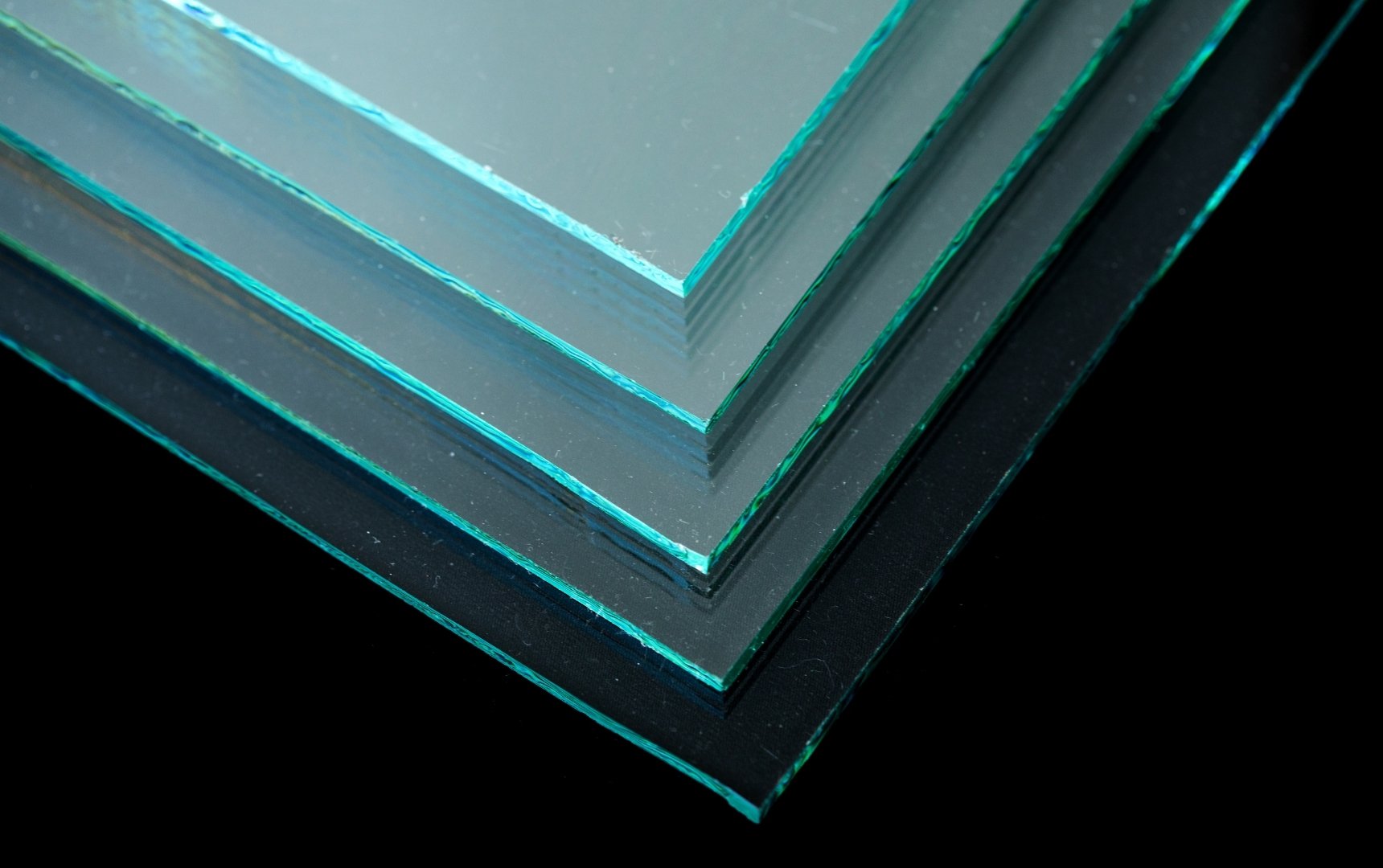
Laminated glass windows are glazing assemblies built using two or more glass panes permanently bonded together by a plastic interlayer, most commonly polyvinyl butyral or PVB. The interlayer is fused to both glass surfaces under heat and pressure, creating a composite unit that behaves as a single pane during normal use.
When the glass is broken, the interlayer holds the fragments in place rather than allowing them to scatter. This construction is what gives laminated glass windows their defining performance characteristics across security, acoustics, safety, and UV protection.
How Laminated Glass Windows Improve Security
Security is one of the most compelling reasons to specify laminated glass windows in both residential and commercial applications. The interlayer fundamentally changes how the glass responds to forced entry attempts, and that difference has practical consequences for property protection.
Greater Resistance to Forced Entry
When standard glass is struck with sufficient force, it breaks, and the opening is immediately accessible. Laminated glass cracks on impact, but the interlayer holds the broken pieces together, requiring significantly more time and effort to breach the opening.

This delay is meaningful in forced entry situations, where additional time increases the likelihood of detection and intervention. For ground-floor windows, storefronts, and any glazing in a security-sensitive location, the resistance provided by the laminated interlayer represents a genuine improvement over standard or tempered glass.
Continued Protection After Breakage
A cracked laminated glass window remains largely in place within its frame rather than creating an immediate opening. This post-breakage integrity means the window continues to function as a barrier until repair or replacement can be arranged.
In commercial properties, this reduces immediate exposure after vandalism or storm events. In residential applications, it provides a meaningful buffer between a breakage event and a full security breach.
How Laminated Glass Windows Reduce Noise
Noise reduction is a performance benefit that makes laminated glass windows particularly valuable in environments where acoustic comfort directly affects quality of life or productivity. The interlayer plays a central role in this performance characteristic.
Blocking Outside Sound
Sound travels through glass primarily as vibration. The PVB interlayer in laminated glass dampens these vibrations more effectively than a single layer of glass alone, reducing the amount of sound energy that passes through the window assembly. Compared to standard single-pane windows, laminated glass windows offer a measurable reduction in sound transmission.
When incorporated into an insulated glass unit, the combination of the laminated lite, the air or gas-filled cavity, and the second pane produces acoustic performance that standard IG units cannot achieve.
Best Applications for Noise Reduction
Laminated glass windows deliver the greatest acoustic benefit in environments where exterior noise is a persistent concern. Homes near highways and busy arterial roads benefit from the reduction in traffic noise. Properties near airports experience meaningful improvements in interior sound levels with laminated glazing.
Urban residential buildings surrounded by commercial activity and street noise are strong candidates for laminated glass windows. Schools and healthcare facilities, where concentration and patient rest are priorities, benefit from the quieter interiors that laminated glass helps create. Office buildings requiring productive, low-distraction work environments are similarly well served by this glazing option.
Additional Performance Benefits of Laminated Glass Windows
Security and acoustic performance are the most frequently cited advantages of laminated glass windows, but the benefits extend further. Several additional performance characteristics make laminated glass a strong choice across a broad range of applications.
Improved Safety
Because broken glass adheres to the interlayer rather than scattering, the injury risk associated with a breakage event is significantly lower than with standard glazing. Sharp fragments remain bonded to the interlayer surface rather than becoming projectiles or falling shards. This characteristic is particularly relevant in high-traffic environments such as schools, retail spaces, and public buildings, where accidental glass contact is a realistic risk.
UV Protection
Laminated glass windows block a substantial portion of ultraviolet radiation, typically around 99 percent, depending on the interlayer specification. UV radiation is the primary cause of fading and deterioration in flooring, furniture, artwork, and interior finishes.
For residential and commercial spaces with significant sun exposure, laminated glass provides meaningful protection for interior investments without requiring window films or additional treatments.
Weather and Storm Resistance
In regions subject to hurricanes, severe windstorms, or windborne debris events, laminated glass is a key component of impact-resistant window systems. The interlayer holds the glass assembly together after impact, maintaining the building envelope and preventing the pressure differential that occurs when a window is breached during a storm.
Not all laminated glass qualifies as impact-rated for hurricane applications. Products intended for storm-resistant construction must be tested and certified to applicable standards for the specific wind zone and application.
Where Laminated Glass Windows Deliver the Most Value
Certain building types and applications consistently benefit most from laminated glass window specifications. Luxury residential projects prioritize the security, UV protection, and acoustic comfort that laminated glass provides. Ground-floor windows in both residential and commercial buildings are strong candidates because of their exposure to forced entry risk and street noise.

Schools and universities benefit from the improved safety and quieter interiors. Healthcare facilities value reduced noise levels and the reduced injury risk associated with retained-fragment breakage behavior. Retail storefronts gain meaningful resistance to smash-and-grab forced entry.
Office buildings in urban environments benefit from the acoustic performance and security that laminated glass delivers. Coastal and hurricane-prone properties require impact-rated glazing systems in which laminated glass is a central component.
Laminated Glass Windows from Insul-Lite Manufacturing™
Laminated glass windows deliver a combination of security, acoustic comfort, UV protection, and occupant safety that standard glazing cannot replicate. The upfront investment reflects a product that continues performing well beyond the initial installation, particularly in demanding environments where durability, comfort, and security matter.
At Insul-Lite Manufacturing™, we incorporate laminated safety glass into our custom insulated glass units for projects where performance requirements go beyond what standard glazing delivers. The right laminated glass specification starts with understanding exactly what the application demands.
Contact us today to discuss your laminated glass window requirements and get a quote on sealed units built to your project specifications.