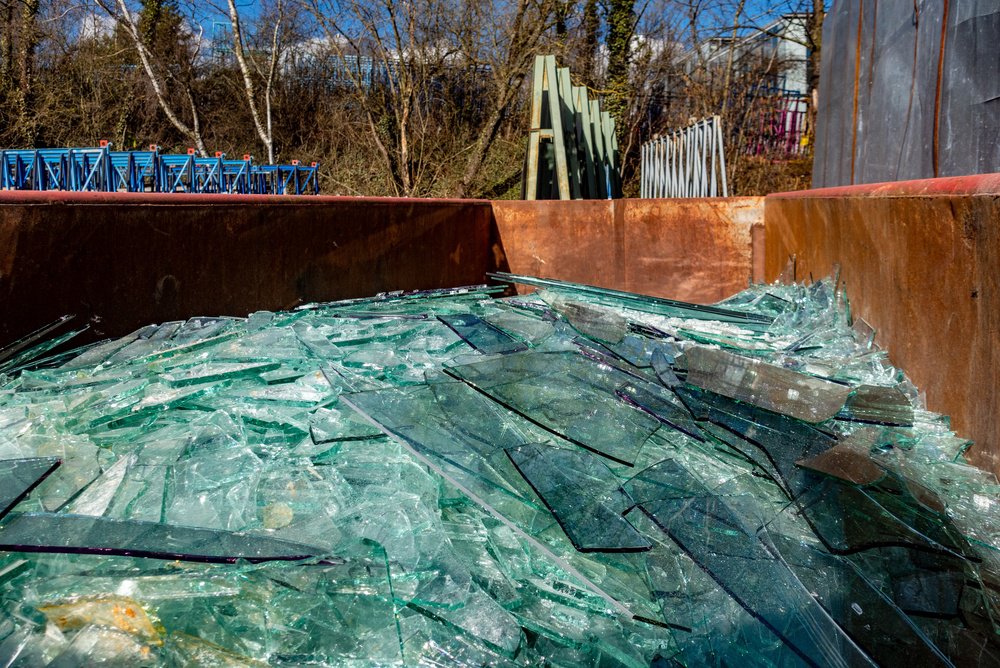
Recycled glass is transforming how insulating glass units achieve clarity, strength, and energy efficiency. Architects and builders increasingly demand materials that combine durability, sustainability, and aesthetic appeal. Manufacturers refine procedures to ensure reclaimed glass meets strict glazing and construction standards.
Advanced sorting, cleaning, and remelting systems return recycled glass as a reliable, uniform feedstock. Careful inspections guarantee finished panes achieve both transparency and structural integrity required for modern construction. Consequently, insulated assemblies made from reclaimed materials perform consistently across demanding commercial environments.
Why Recycled Glass Performs Like New Material
Advanced processing removes impurities, ensuring glass achieves clarity and strength for demanding applications consistently. Skilled technicians monitor temperatures closely, maintaining chemical stability during melting and forming processes. Finished sheets provide smooth, uniform surfaces suitable for precise insulating glass unit fabrication.
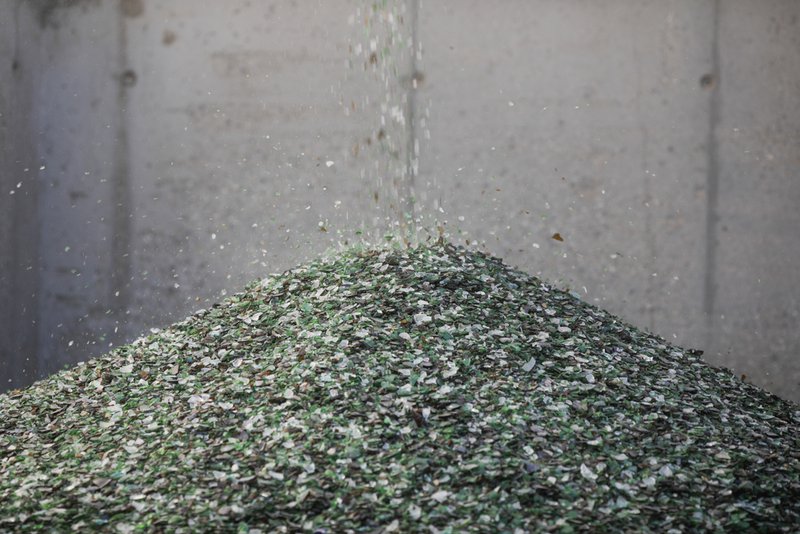
Blending feedstock with virgin materials preserves predictable chemical composition, supporting consistent performance across all manufactured units. Laboratories carefully evaluate samples for strength, distortion, and inclusions before assembling them into insulating glass units. Quality checks confirm panels meet strict requirements for residential, commercial, and institutional glazing projects.
Screening systems detect ceramics, metals, or stones that could compromise structural integrity and optical clarity. Operators adjust batch ratios gradually, preserving predictable viscosity while preventing defects during large-scale industrial processing. Builders receive panels that remain durable, clear, and high-performing throughout installation and long-term use.
Precision Manufacturing of Recycled Glass IGUs
Transforming recycled glass into insulating units requires disciplined processes along production lines. Careful attention guarantees every pane achieves clarity, strength, and precise dimensions consistently. Proven methods maintain quality for long-lasting IGU performance.
The key steps in producing reliable IGUs include:
- Glass washing and drying removes dust, labels, and surface contaminants efficiently.
- Automated thickness and coating inspection detects imperfections before assembly.
- Spacer placement and cavity creation ensure optimal thermal performance across window systems.
- Edge sealing prevents moisture or gas infiltration effectively.
- Final inspection and assembly confirm each unit satisfies strict architectural standards.
These procedures ensure structural integrity and optical clarity throughout manufacturing. Precision techniques deliver consistent performance in both residential and commercial applications. Reclaimed materials support sustainable construction, reinforced by practical strategies for manufacturers.
Thermal Efficiency of Recycled Glass IGUs
Insulating glass units rely on sealed cavities, reducing conductive heat transfer efficiently. Panels made from recycled glass perform identically to conventional float glass inside modern IGUs. Building envelopes maintain comfortable indoor climates while lowering energy consumption effectively.
Low-E coatings applied to recycled glass reflect infrared energy outward, enhancing thermal performance. Recycled glass supports sustainable building goals, showing how reclaimed materials optimize energy efficiency. Occupants enjoy improved comfort alongside reduced heating and cooling demands.
Inert gases such as argon fill cavities, further improving insulation between glass layers. Recycled glass assemblies comply with stringent regional energy codes. Thermal efficiency depends on the complete IGU design rather than the material origin alone.
Design Flexibility for Architects and Builders
Architects often request varied tints, coatings, and thicknesses to achieve aesthetic versatility across projects. Panels made from recycled glass integrate seamlessly with coatings, frits, or decorative interlayers effectively. Designers retain complete creative freedom when specifying façades, skylights, or curtain wall systems confidently.
Renovation projects frequently generate discarded panes later processed into recycled glass feedstock efficiently. Responsible recovery practices are evident in eco-friendly fall renovations, showing how reclaimed materials reenter high-performance glass production. Builders support circular material use while consistently incorporating durable and energy-efficient insulating assemblies.
Fabricators produce custom window systems without compromising structural reliability, optical clarity, or thermal performance standards. Architects confidently specify recycled glass within demanding commercial, institutional, and renovation environments successfully. This material combines sustainability with predictable performance across both aesthetic and functional applications.
Quality Control from Collection to Finished Units
Recycled glass requires careful handling from collection to final insulating glass units. Each stage influences clarity, durability, and overall performance throughout production. Quality control ensures materials satisfy strict architectural and glazing expectations consistently.
The essential steps in managing quality include:
- Sorting and contaminant removal at recycling facilities eliminate metals, ceramics, and foreign debris.
- Remelting cullet into controlled batches preserves uniform chemical composition.
- Forming flat glass ribbons regulates cooling to prevent stress or warping.
- Surface inspection using cameras and lighting identifies bubbles, scratches, or defects.
- Cutting, coating, and final assembly create insulated glass units ready for installation.
Following these stages ensures recycled glass maintains clarity, durability, and thermal performance. Effective quality control promotes long-term reliability in residential and commercial installations. Integrating reclaimed materials offers a practical and sustainable solution for modern projects.

Sustainability Benefits of Reclaimed Glass
Reclaimed glass reduces landfill waste while promoting environmentally responsible and sustainable manufacturing practices effectively. Using recycled glass contributes to circular economies and helps lower carbon footprints efficiently. Sustainability goals are accomplished without sacrificing thermal performance or structural reliability in modern IGUs.
Manufacturers also experience cost savings when reclaiming glass for producing new insulating glass units. Energy-efficient production reduces furnace emissions and optimizes overall resource usage throughout manufacturing. Closing the loop on recycled glass manufacturing highlights how circular practices integrate seamlessly into high-performance glass assemblies.
Reclaimed glass provides architects and builders with versatile design options that meet aesthetic requirements reliably. Panels can match specifications for tint, coating, or decorative interlayers without compromising quality. Therefore, recycled glass represents a practical, sustainable, and high-performing solution for modern construction projects.
High-Performance Insulating Units
Recycled glass demonstrates that sustainable materials can perform reliably in demanding window applications. Careful processing, precise fabrication, and rigorous testing ensure long-lasting insulating glass unit performance. Builders and designers achieve energy efficiency and aesthetic goals while using reclaimed content.
Specialists at Insul-Lite Manufacturing™ apply precise fabrication processes to deliver consistent results, and you can schedule a consultation today. Using reclaimed materials supports sustainable construction while maintaining predictable durability and long-term building envelope performance. Recycled glass proves that sustainability and high performance can coexist in modern IGUs.