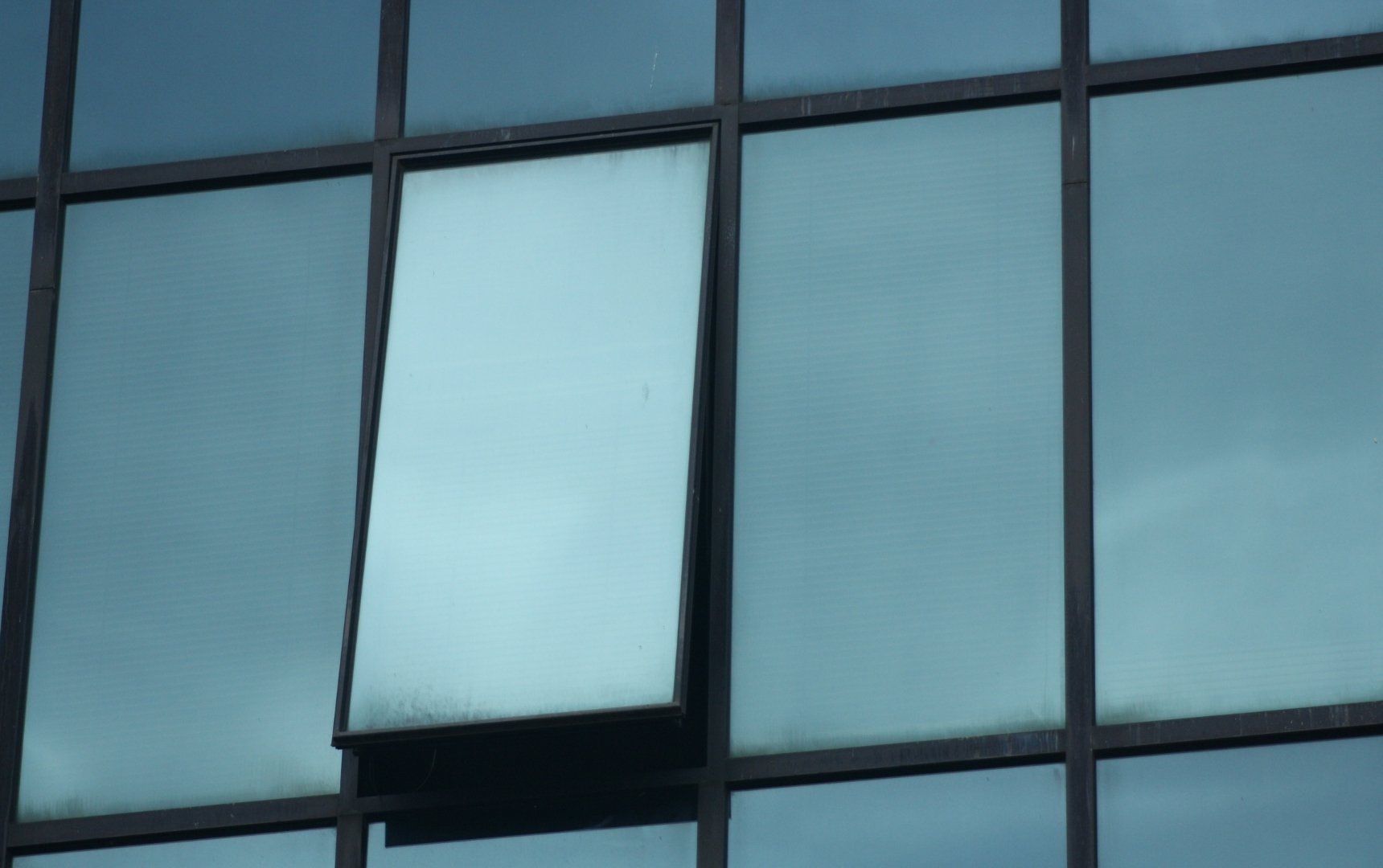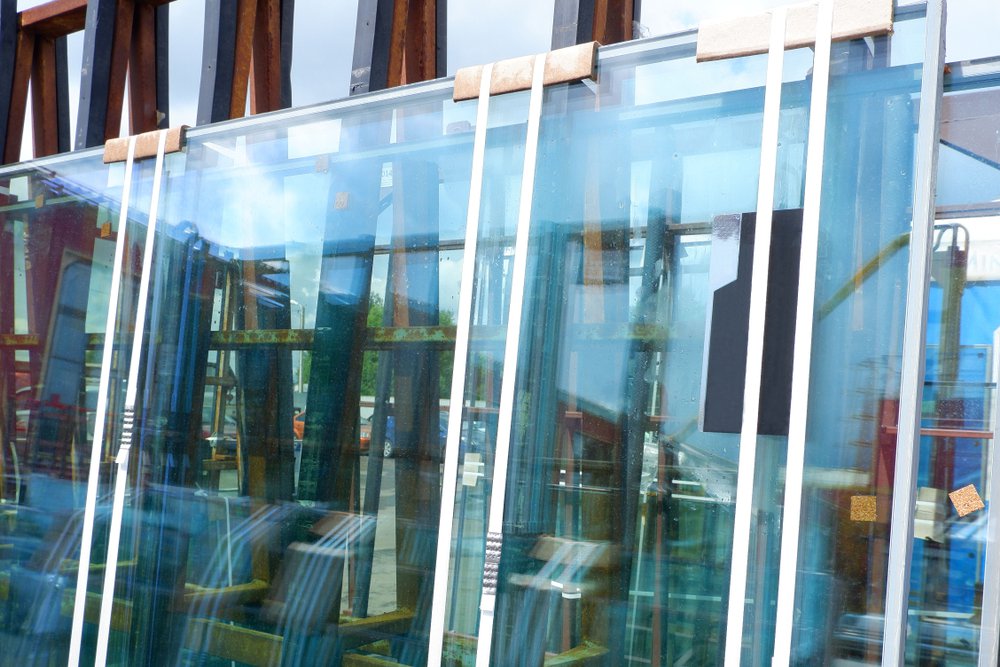
Low-E glass improves indoor comfort by reflecting unwanted heat and minimizing thermal fluctuations throughout the year. Modern coatings allow sunlight to pass without creating excessive glare, preserving natural brightness inside. Furthermore, properly installed low-E glass enhances energy efficiency while reducing the overall strain on heating and cooling systems.
Architects and builders increasingly prioritize energy-efficient windows that reduce long-term operational costs. Similarly, selecting the right glazing solutions enhances residential and commercial comfort effectively. Importantly, understanding how these coatings function helps professionals optimize building performance efficiently.
How Low-E Glass Controls Seasonal Temperature
Low-E glass significantly reduces heat transfer, keeping interiors warmer during winter. Meanwhile, reflective coatings prevent excessive solar heat during summer, maintaining stable indoor temperatures. Therefore, energy bills decrease because HVAC systems operate less, ensuring consistent occupant comfort.

Several key benefits make low-E glass essential for managing seasonal temperature fluctuations effectively:
- Reflects unwanted solar heat during summer to maintain cooler indoor spaces.
- Retains interior warmth during winter, reducing the need for additional heating.
- Minimizes condensation risks, keeping windows clear and moisture-free.
- Reduces strain on HVAC systems, lowering energy bills and operational costs.
- Supports sustainable building practices by improving overall energy performance.
Properly installed low-E glass ensures interiors stay comfortable and energy-efficient. Professionals selecting these coatings achieve both thermal comfort and reduced costs. Using low-E glass solutions designed for cold climates provides measurable performance benefits for various building types efficiently.
Maximizing Daylight While Reducing Glare
Importantly, low-E glass optimizes daylighting by transmitting natural light while minimizing reflective glare across interior surfaces. Meanwhile, high-performance coatings reduce the intensity of direct sunlight, preventing fading of furniture and flooring materials. Properly oriented windows maintain brightness without compromising visual comfort or energy efficiency.
Combining these coatings with window treatments allows designers to balance light levels and interior aesthetics successfully. Daylight harvesting reduces the need for electrical lighting during daytime hours, improving energy efficiency. Integrating low-E glass with precise performance ratings into building design enhances both functionality and occupant satisfaction simultaneously.
Moreover, selecting the right coating ensures that large glass areas do not generate excessive heat or glare. Similarly, different performance ratings indicate varying capacities to balance visible light and thermal gain. Professionals should evaluate these metrics carefully to meet project-specific requirements accurately.
Reduced Reliance on HVAC Systems
High-efficiency glazing contributes to lowering energy consumption by reducing heating and cooling loads consistently. Meanwhile, indoor environments remain stable even during extreme weather fluctuations, allowing HVAC systems to operate less frequently. Therefore, this reduces maintenance costs and extends the lifespan of mechanical systems efficiently.
Windows equipped with reflective coatings directly affect building energy modeling outcomes, influencing overall utility costs. Additionally, incorporating low-E glass technology into new construction or retrofits improves sustainability metrics significantly. Professionals achieve better thermal performance while simultaneously enhancing occupant comfort and building resilience.
Consequently, using these solutions strategically supports energy code compliance and long-term operational savings. Similarly, HVAC designers can factor in reduced heat gains and losses when sizing equipment properly. Finally, continuous evaluation ensures that installed glass performs as expected throughout seasonal changes.
High-Performance Coatings and Sustainability
Low-E glass contributes directly to sustainable building certifications, including LEED and BREEAM standards. Reflective coatings improve energy performance metrics, supporting lower carbon emissions and reduced environmental impact. Material selection becomes a critical factor in achieving high-performance building goals efficiently.
Similarly, sustainable construction increasingly depends on materials that optimize thermal performance while minimizing energy consumption. Additionally, installing these coatings helps architects meet rigorous energy-efficiency requirements without compromising aesthetics. Choosing low-E glass as the preferred energy-efficient window option delivers measurable benefits over standard glazing in both residential and commercial projects.
Evaluating the life cycle of these materials highlights long-term contribution to energy savings and reduced ecological footprint. Enhanced durability and consistent performance ensure that sustainable building objectives remain achievable. Subsequently, professionals should integrate performance testing to validate coating efficiency accurately.
Combining Low-E Glass with Insulating Units
Pairing low-E glass with insulating glass units enhances thermal resistance and long-term efficiency. Furthermore, proper selection of spacer systems ensures minimal heat loss while maintaining structural integrity. Similarly, combining these technologies improves indoor comfort and supports sustainable energy performance consistently.
Key advantages of integrating low-E glass with IGUs include:
- Provides superior thermal insulation for both hot and cold climates effectively.
- Minimizes edge heat loss and condensation risks throughout the year.
- Supports natural daylighting while reducing unwanted solar glare indoors.
- Enhances overall energy efficiency, lowering long-term utility expenses.
- Improves durability and maintains consistent performance over extended periods.
Installation quality ensures low-E glass IGUs maintain efficiency and comfort. Expert assembly and proper sealants prevent air or moisture infiltration. These units provide consistent energy savings while preserving interior environmental quality.
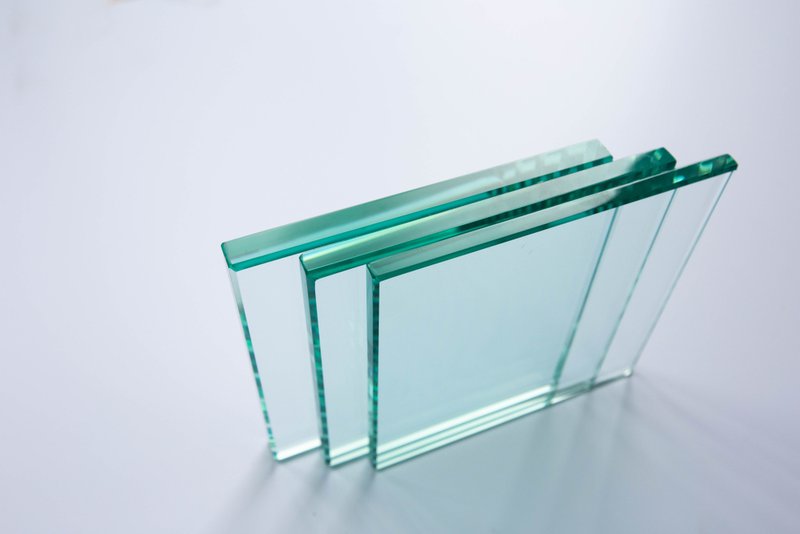
Understanding Low-E Glass Performance Ratings
Performance ratings, including U-values and solar heat gain coefficients, guide accurate low-E glass selection. Consequently, higher ratings indicate better insulation and solar control, essential for project efficiency. Similarly, evaluating these metrics helps meet building codes and ensures occupant comfort consistently.
Testing methods measure how effectively low-E glass coatings reflect infrared radiation while allowing visible light to pass safely. Professionals use these insights to select solutions tailored to climate and orientation requirements accurately. Moreover, transparency in ratings also enables comparisons among different glazing products reliably.
Subsequently, consideration of local climate, window orientation, and glazing type influences optimal low-E glass coating selection. Integrating performance metrics into project planning ensures efficient energy use and thermal comfort. Industry standards provide guidance for selecting the right glass solutions based on measurable data.
Achieving Comfort, Efficiency, and Sustainability
Low-E glass contributes to long-term cost savings while reducing energy expenses efficiently. Occupants experience consistent comfort and improved indoor quality throughout all seasonal fluctuations. Strategic installation ensures that building performance aligns with energy efficiency and sustainability goals.
Insul-Lite Manufacturing™ buildings benefit from superior thermal management while minimizing reliance on heating systems. High-performance coatings maintain visual clarity and comfort without introducing glare or excessive heat indoors. Implementing these solutions supports environmental objectives while delivering measurable benefits for owners and occupants. Contact us today.