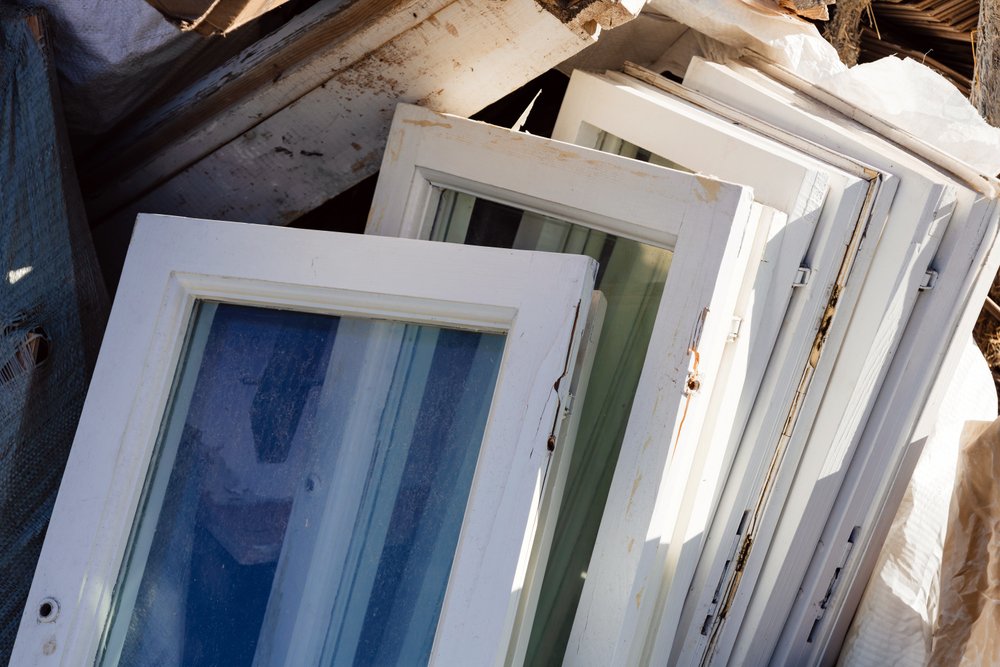
Incorporating recycled glass into insulating glass units supports environmental sustainability while reducing material waste efficiently. Manufacturers are increasingly adopting eco-friendly solutions that maintain energy efficiency and reliable performance across projects. Understanding how recycled glass impacts clarity, durability, and insulation helps contractors make informed decisions consistently.
Integrating recycled materials into glass production requires careful attention to quality, safety, and compliance standards. Poorly processed recycled glass can create defects or reduce thermal performance, highlighting the need for proper oversight. Thoughtful planning ensures environmental goals align with operational efficiency and energy performance for every project.
Reducing Environmental Impact Through Recycled Glass
Using recycled glass in IGUs significantly lowers the consumption of raw materials and preserves natural resources. Manufacturers benefit from reduced energy usage and fewer greenhouse gas emissions during production cycles consistently. Sustainable practices in glass production support environmental initiatives while maintaining high-performance standards for every project.

The main advantages of integrating recycled glass into your projects include:
- Reduces raw material consumption while conserving finite natural resources efficiently
- Minimizes energy usage and associated greenhouse gas emissions during production
- Diverts waste from landfills, protecting local ecosystems and community health
- Supports operational efficiency and cost savings for manufacturers and contractors
- Enhances project sustainability and meets growing environmental responsibility expectations
Implementing recycled glass strategies helps contractors balance sustainability goals with practical manufacturing considerations consistently. Quality control ensures clarity, durability, and insulation performance are not compromised in finished IGUs. Prioritizing recycled content reinforces both environmental commitment and project reliability effectively.
Maintaining Quality with Recycled Glass
Low-quality recycled glass may introduce haze, bubbles, or imperfections, which compromise IGU performance and aesthetic appeal. Contaminants such as metals or ceramics can weaken units, reducing durability under thermal or mechanical stress. Proper quality monitoring prevents defects and ensures long-term project objectives are met consistently.
Variability in recycled material composition requires careful melting, blending, and cooling to maintain uniform thickness and strength. Modern furnaces and controlled processes allow manufacturers to produce glass that meets precise design specifications. Using advanced manufacturing processes ensures recycled glass performs as reliably as virgin materials for all applications.
Inspection protocols, including visual, mechanical, and thermal testing, verify units meet performance standards consistently. Automated systems increase accuracy while minimizing human error, ensuring every unit is reliable for installation. These steps reinforce sustainability without compromising clarity, safety, or insulation efficiency in completed projects.
Compliance With Industry Standards
Building codes require IGUs to meet safety, thermal, and structural performance standards for all projects consistently. Recycling glass must not compromise compliance with regulations governing both residential and commercial applications. Following building codes and safety guidelines ensures every unit meets legal and operational requirements reliably.
Sourcing recycled glass from approved suppliers guarantees compliance with safety and aesthetic standards across projects. Traceability minimizes liability concerns while demonstrating responsible manufacturing and installation practices. Maintaining accurate records of recycled content also supports future maintenance planning and building audits efficiently.
Regular certification testing, including thermal, acoustic, and structural assessments, verifies units meet performance thresholds consistently. These audits validate both recycled and virgin glass units, demonstrating environmental responsibility and regulatory adherence. Manufacturers applying standardized compliance measures establish trust with contractors and project teams effectively.
Supporting Green Building Certifications
Incorporating recycled glass contributes directly to earning points for LEED, WELL, or BREEAM certifications consistently. Projects that integrate sustainable materials demonstrate commitment to energy efficiency, resource conservation, and environmental stewardship. Using recycled content helps achieve certification goals without reducing thermal or acoustic performance in IGUs.
Key benefits of sustainable glass for green building certifications include:
- Contributes points for LEED, WELL, and BREEAM certification compliance efficiently
- Demonstrates commitment to energy conservation and responsible resource usage
- Improves project marketability and recognition among clients and stakeholders
- Supports corporate sustainability goals and environmental responsibility standards
- Reinforces credibility with inspectors and certification authorities during project approvals
Strategically incorporating recycled materials ensures projects meet sustainability objectives while maintaining energy-efficient IGU performance. Proper processing and quality verification uphold clarity, durability, and compliance standards. Applying sustainable techniques, such as closing the loop with recycled glass, improves both environmental and operational efficiency.
Strategic Integration of Recycled Glass
Effective integration of recycled glass balances energy efficiency, thermal performance, and sustainability objectives. Low-E coatings and advanced spacer systems complement the material, preserving insulation and reducing energy losses. Integration strategies should consider project-specific climate and building performance requirements.
Engineers must account for thermal expansion differences to prevent stress or potential breakage over time. Adjusting manufacturing parameters ensures consistent quality and longevity, even with variable material properties. Thoughtful planning allows sustainability initiatives to coexist with operational efficiency and performance goals.
Strategic use of recycled content can also lower raw material costs and reduce production energy consumption. Optimizing processes delivers both economic and environmental benefits for manufacturers, contractors, and building owners. Proper integration ensures units meet both performance and sustainability objectives without compromise.

Misconceptions and Practical Insights
Some contractors assume recycled glass reduces clarity or mechanical strength, which is often untrue with modern techniques. Properly processed recycled content maintains visual and structural quality equivalent to fully virgin glass units consistently. Educating project teams ensures sustainability objectives align with realistic performance expectations effectively.
Concerns about certification eligibility or compliance are manageable when manufacturers follow testing protocols and maintain accurate documentation. Recycled glass can comply with green building standards if processed and sourced appropriately. Dispelling these misconceptions allows project teams to make confident, informed material decisions consistently.
Ignoring lifecycle impacts may lead to missed opportunities for energy conservation and landfill waste reduction. Lifecycle analysis quantifies the environmental benefits of integrating recycled content into IGUs reliably. Awareness of practical recycling strategies ensures sustainability initiatives produce meaningful, long-term results for all stakeholders.
Implementing Sustainable Glass Solutions
Partnering with experts ensures recycled glass is incorporated without compromising safety, thermal efficiency, or clarity. Choosing proven processes guarantees units meet environmental, operational, and design expectations effectively. Contractors can combine advanced coatings and spacer systems to preserve energy efficiency across climates effectively.
Insul-Lite Manufacturing™ ensures comprehensive inspection so reused glass does not compromise performance or compliance with regulations consistently. Applying circular manufacturing strategies improves efficiency and reduces costs for all stakeholders. Sustainable planning enables recycled content to deliver measurable benefits without reducing unit reliability. Contact us today.