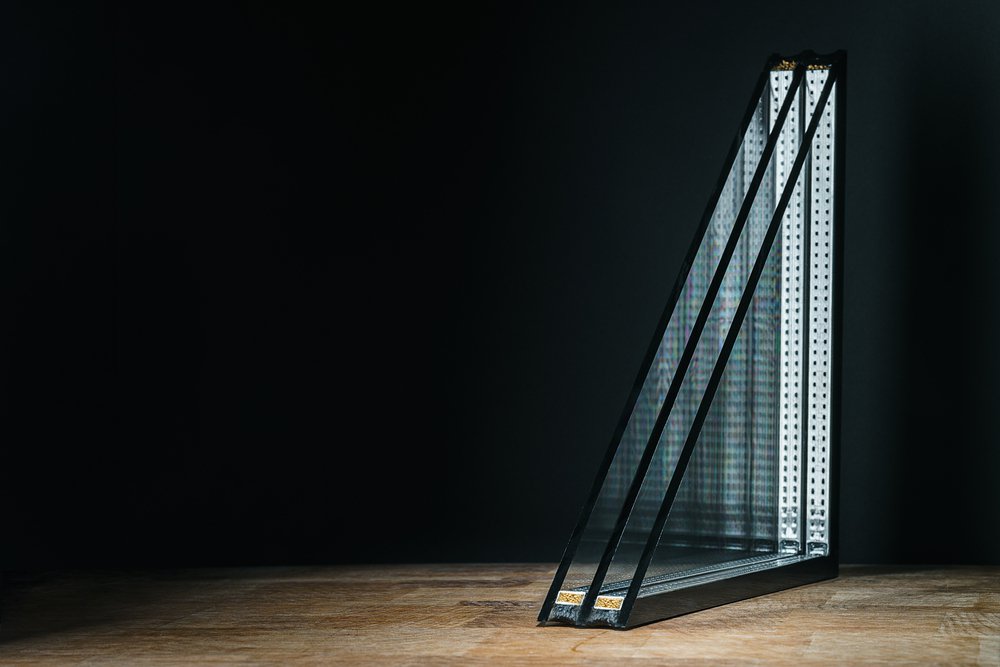
Window performance increasingly depends on unseen components that influence durability, efficiency, and long-term reliability. Among those components, steel spacer bars play a critical role within insulated glass units used across residential and commercial applications. Their function extends beyond spacing glass panes, supporting consistent thermal behavior, seal stability, and structural alignment over time.
As energy codes tighten and performance expectations rise, attention has shifted toward edge-of-glass technologies. Spacer systems now receive greater scrutiny because they directly affect condensation resistance and overall unit lifespan. Understanding how steel spacers contribute to these outcomes helps professionals specify windows that perform predictably in varied climates.
Consistent Glass Separation for Reliable IGU Performance
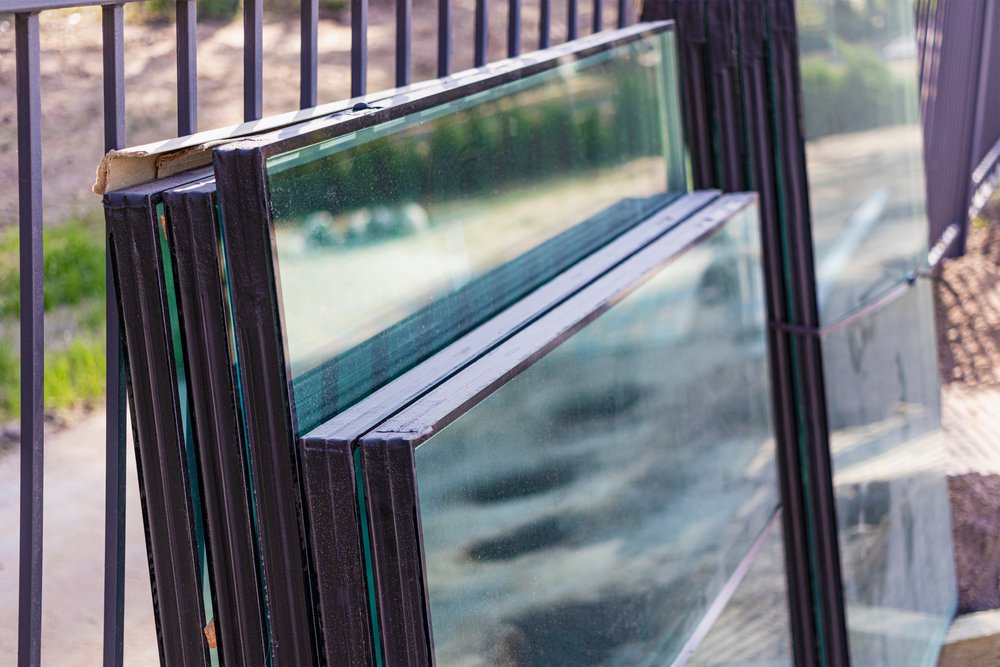
Insulated glass units depend on precise spacing to maintain uniform gas-filled cavities between glass panes. Rigid spacer systems deliver dimensional stability that supports consistent cavity widths during fabrication and installation. As a result, thermal and optical performance remain aligned with tested specifications.

During manufacturing, firm spacers help maintain alignment under handling and environmental temperature variation. Accurate spacing supports correct Low-E coating positioning, which influences solar control and insulation values. Consequently, units perform more predictably across production batches.
Over time, consistent separation supports even load distribution across glass surfaces. Balanced stress reduces localized pressure that could compromise seals or glass edges. Uniform spacer design reinforces overall strength and durability. Proper edge design also helps minimize long-term maintenance and seal replacement costs.
Structural Integrity Advantages at the Glass Edge with Steel Spacer Bars
Edge strength plays a significant role in maintaining insulated glass unit geometry. Rigid spacers add structural support that helps units remain square during transport and installation. Installers benefit from fewer alignment adjustments during glazing.
Larger window assemblies place additional demands on edge stability. Rigid spacer systems help prevent distortion that can strain seals and framing interfaces. Industry evaluations emphasize the importance of spacer rigidity for unit longevity.
Steel spacer bars improve the structural integrity of insulated glass units by maintaining consistent separation and reinforcing overall strength. This choice directly supports overall window durability and ensures even load distribution across glass surfaces. Proper edge design also helps minimize long-term maintenance and seal replacement costs.
Seal Durability and Long Term Fog Resistance
Seal performance is one of the most critical factors in insulated glass unit reliability. Steel spacer bars provide a rigid and consistent surface that supports proper sealant adhesion around glass edges. Strong seals help prevent moisture infiltration, improving long term clarity and reducing maintenance needs.
The advantages of steel spacer bars for seal durability and fog resistance include:
- Uniform bonding surface that supports consistent adhesion of perimeter sealants.
- Reduced movement at the glass edge, limiting cyclical stress during temperature changes.
- Improved resistance to premature seal failure, extending the IGU’s service life.
- Enhanced condensation prevention that maintains window clarity and interior comfort.
- Compatibility with gas fills and Low-E coatings, ensuring consistent performance under varied conditions.
Properly designed spacer bars shape window performance and contribute directly to overall unit reliability. Including them in insulated glass units ensures predictable long-term performance and helps maintain the benefits of steel spacer bars. Effective edge design also supports energy retention, reduces stress on seals, and minimizes long-term maintenance and replacement costs.
Thermal Performance Impacts of Spacer Material Selection
Spacer materials play a significant role in heat transfer along the perimeter of insulated glass units. Steel spacer bars offer predictable thermal characteristics that support accurate energy modeling and window performance. Selecting the right spacer material ensures consistent insulation and compliance with energy efficiency standards.
Key thermal performance benefits include:
- Predictable conductivity that allows precise calculation of overall IGU U-values.
- Reduction of thermal bridging at the glass edge compared with less rigid alternatives.
- Enhanced compatibility with Low-E coatings and inert gas fills to maintain energy efficiency.
- Consistent cavity width that helps stabilize interior temperatures and reduces heat loss.
- Long term performance reliability, minimizing degradation due to temperature fluctuations or material movement.
Comparisons with alternative materials highlight the benefits of foam spacers in enhancing window thermal performance. Integrating steel spacer bars enhances overall energy retention, shapes window performance, and ensures consistent results. Specifiers can rely on steel spacer bars for durability and reliable performance across diverse climates.
Maintaining Alignment with Steel Spacer Bars Throughout the Window Lifecycle
Glass alignment affects appearance, performance, and seal durability over time. Rigid steel spacer bars maintain pane parallelism under sustained loads. Consistent alignment supports uniform stress distribution across the glass.
Environmental forces continuously challenge window assemblies. Properly stabilized glass units experience reduced edge stress under wind and thermal cycling. Steel spacers resist gradual shifting, helping windows retain their intended fit longer.
Proper fabrication and installation further reinforce alignment benefits. Stable spacer systems minimize edge-related failures when combined with precise manufacturing practices. This reliability supports long-term performance expectations.

Spacer System Comparisons and Informed Selection
Different spacer technologies address performance goals through varied material properties.
Steel spacer bars prioritize strength, dimensional stability, and compatibility with established sealing systems. Those qualities suit applications requiring durability and consistency.
Foam and hybrid spacers reduce conductivity through alternative material structures. Each approach helps achieve the best thermal performance for different climates and window sizes. Steel and foam spacers provide reliable solutions for consistent energy efficiency.
Balanced comparisons help clarify appropriate use cases. Evaluating options side by side supports confident material decisions. Such insight ensures the selected spacer aligns with performance expectations and project requirements.
Integrating Steel Spacer Bars into High Performance IGUs
High performing windows depend on carefully engineered edge of glass systems. Steel spacer bars enhance structural stability, improve seal longevity, and ensure predictable thermal performance. Understanding their role allows professionals to specify insulated glass units with confidence and reliability.
Insul-Lite Manufacturing™ integrates premium steel spacer bars within its insulated glass units to optimize durability and thermal efficiency. Their fabrication approach reflects industry-proven practices and meticulous material expertise. Contact us today to discuss IGUs engineered with steel spacer bars for long-lasting performance.