Textured glass offers more than visual appeal; moreover, it provides practical solutions in high-traffic areas where durability matters. Designers increasingly select textured glass for its ability to resist surface wear, and maintain functional elegance. Understanding how patterned surfaces behave under constant use ensures long-lasting installations that require minimal upkeep.
High-traffic environments challenge conventional glazing because frequent cleaning and repeated contact can quickly degrade standard glass surfaces. Incorporating textured glass mitigates these concerns while allowing designers to maintain desired aesthetic effects. Evaluating material performance before specifying patterned units helps facility managers and architects achieve operational efficiency.
Surface Resilience of Textured Glass in Frequent-Use Environments
High-traffic areas require durable glazing that maintains both strength and visual appeal under constant use. Textured glass offers inherent resilience, concealing scratches and abrasions while reducing the need for frequent maintenance. Therefore, designers and facility managers increasingly consider patterned surfaces for environments exposed to heavy contact and daily wear.

Several factors contribute to the performance of textured glass in demanding settings:
- Pattern Depth and Texture Type – Deeper or specifically designed textures distribute stress evenly and minimize visible damage.
- Glass Thickness and Substrate – Appropriate material selection ensures structural integrity during repeated impacts or heavy use.
- Surface Finish – Finishes such as frosted or matte help absorb minor abrasions while maintaining light diffusion.
- Edge Support and Spacer Systems – Proper framing and IGU integration prevent warping and preserve long-term durability.
- Regular Monitoring and Cleaning Protocols – Routine inspections identify early imperfections and guide maintenance without damaging surfaces.
High-traffic areas benefit when textured glass adds dimension to any space, as it enhances both functionality and visual interest. In conclusion, considering these factors allows textured glass to perform reliably in demanding environments. Combining design foresight with proper installation maximizes both longevity and appearance of patterned glazing.
Minimizing Visibility on Textured Glass Surfaces
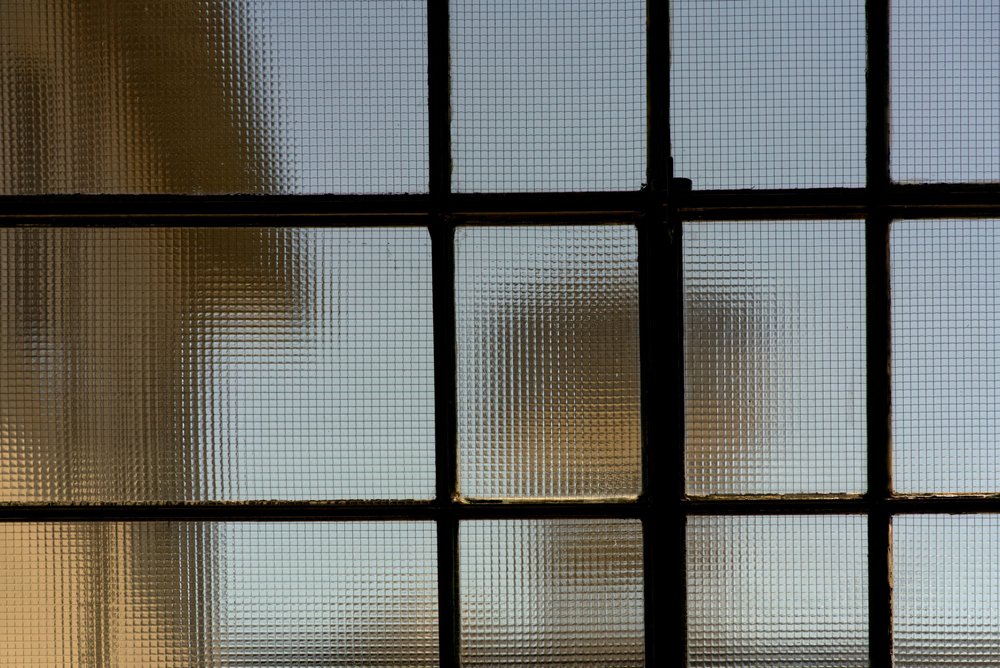
Textured glass provides natural masking of fingerprints, smudges, and minor surface defects, thereby reducing visual disruption significantly. For instance, facilities with high visitor traffic benefit from patterns that scatter light, consequently diminishing the appearance of marks between routine cleanings. This material contributes to a professional, polished look that requires less frequent maintenance.
Selecting the correct pattern is essential because subtle textures effectively obscure imperfections, whereas deeper patterns can alter light transmission. For spaces requiring both durability and visual clarity, balanced design choices ensure practical and aesthetic objectives align. Furthermore, textured glass can enhance privacy without compromising style in areas where discretion is needed.
Routine cleaning strategies should account for texture by using non-abrasive tools that preserve surface characteristics. In addition, consistent adherence to recommended practices enhances the long-term effectiveness of textured glazing. Facility managers note improved satisfaction when maintenance challenges decrease through thoughtful material selection.
Influence of Pattern Depth and Finish
Pattern depth directly affects both tactile experience and optical properties of textured glass. Notably, deep patterns enhance visual masking, whereas shallow textures prioritize light diffusion without obscuring views. Understanding these variations guides architects in selecting surfaces that complement intended functionality while remaining durable.
Finish selection further influences performance, including resistance to staining, scratching, and chemical cleaning agents. For example, matte or frosted finishes reduce glare, which improves comfort in spaces exposed to strong artificial or natural light. Conversely, clear finishes may require additional consideration to balance aesthetics with practical maintenance expectations.
For environments challenged by glare and privacy needs, textured glass solves both while maintaining brightness. Comprehensive specification considers how pattern and finish integrate with other glazing technologies, including Low-E coatings and insulating glass units. Appropriate combinations maximize energy efficiency while maintaining the intended surface durability. Ultimately, attention to both depth and finish ensures textured glass meets design and operational demands.
Integration into Insulated Glass Units
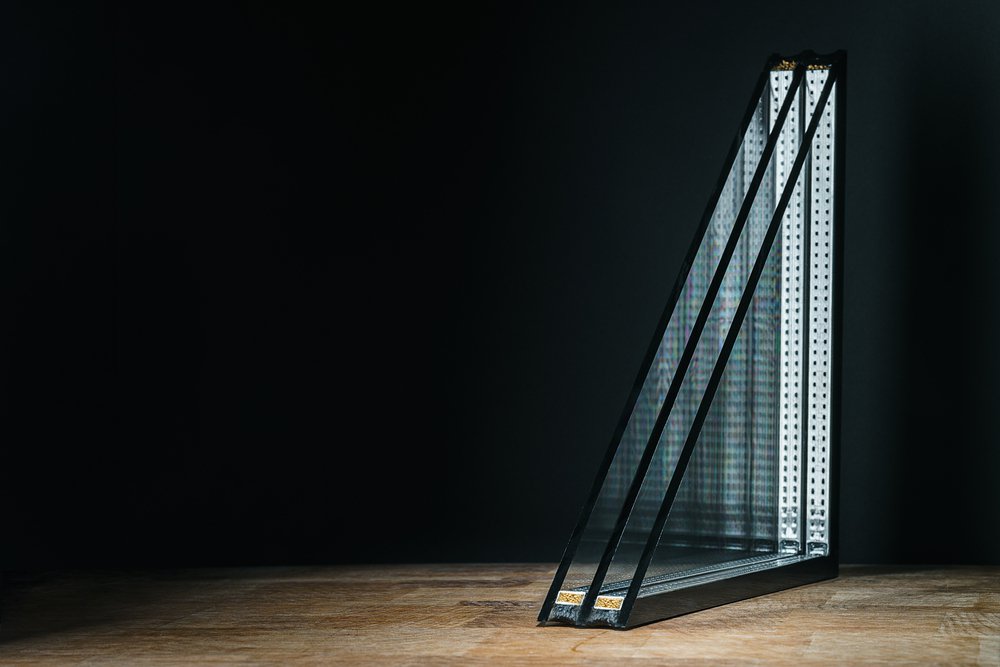
Textured glass performs optimally when incorporated into properly constructe d insulated glass units (IGUs), which additionally enhance thermal efficiency. IGUs with patterned surfaces maintain temperature stability while providing durability against internal condensation and environmental stress. Therefore, design teams can optimize energy performance without compromising the aesthetic or functional advantages of textured surfaces.
Proper sealing techniques prevent moisture infiltration that could reduce visibility or compromise structural integrity. Likewise, spacer selection and edge support play crucial roles in maintaining IGU longevity. Using compatible materials ensures that textured surfaces retain performance characteristics throughout the lifespan of the installation.
Real-world applications demonstrate how textured glass elevates light, style, and surface performance, integrating function and design in complex spaces. Coordinating with manufacturers experienced in IGU fabrication ensures patterns align correctly within the glazing assembly. As a result, accurate alignment prevents warping or visual distortion while preserving intended light diffusion effects.
Balancing Light Diffusion and Privacy
Textured glass allows light to penetrate while simultaneously controlling visibility, offering a practical solution in high-traffic spaces requiring privacy. In particular, strategic patterning diffuses sunlight, thereby minimizing glare without reducing overall brightness in workspaces. Ofices, healthcare facilities, and retail areas benefit from dual-function performance that enhances occupant comfort.
Different textures can obscure detailed views while maintaining general visibility, which supports confidential interactions or aesthetic separation. Selecting pattern types with varying translucency accommodates privacy requirements while achieving intended interior design objectives. Light-scattering properties also improve visual comfort, thus reducing eye strain in spaces with abundant natural illumination.
Combined with other glazing solutions, textured surfaces contribute to environmental control by directing light without creating hotspots. Optimizing opacity and diffusion ensures a balance between energy efficiency and functional comfort. Ultimately, patterned glass integrates seamlessly into modern, human-centered architectural designs.

Reducing Maintenance Demands of Textured Glass
Textured glass naturally lowers cleaning frequency while maintaining visual clarity in high-traffic environments. Its patterned surfaces reduce visible fingerprints, smudges, and minor scratches, making daily upkeep easier and more efficient. Consequently, facility managers benefit from reduced labor and operational demands while preserving a professional appearance.
Key ways textured glass minimizes maintenance requirements include:
- Conceals Marks and Smudges – Patterned surfaces effectively hide fingerprints and minor abrasions, keeping the glass visually clean.
- Reduces Chemical Usage – Less-intensive cleaning supports sustainable practices by limiting harsh cleaning agents and water consumption.
- Simplifies Routine Cleaning – Gentle wiping is sufficient, avoiding abrasive methods that could damage the texture.
- Prolongs Lifespan – Lower maintenance frequency prevents wear from over-cleaning and preserves structural integrity.
- Supports Operational Efficiency – Facility teams spend less time on upkeep, allowing focus on other critical tasks.
Overall, implementing textured glass in demanding spaces significantly lowers maintenance needs. By combining inherent surface resilience with proper care, these patterned units maintain both performance and aesthetic quality over time.
Prioritizing Performance Without Compromise
Textured glass offers substantial benefits for high-traffic spaces, combining aesthetic versatility with practical durability and reduced maintenance demands. Specifically, strategic pattern selection and proper IGU integration enhance longevity, minimize operational costs, and maintain visual quality over extended use. Professionals specifying these surfaces can confidently balance functional performance with design excellence in complex environments.
Insul-Lite Manufacturing™ provides expert consultation to ensure textured glass aligns with usage intensity, cleaning routines, and energy performance expectations, thereby reducing unforeseen challenges. Partnering with a knowledgeable fabrication team allows for tailored solutions that perform consistently under demanding conditions.