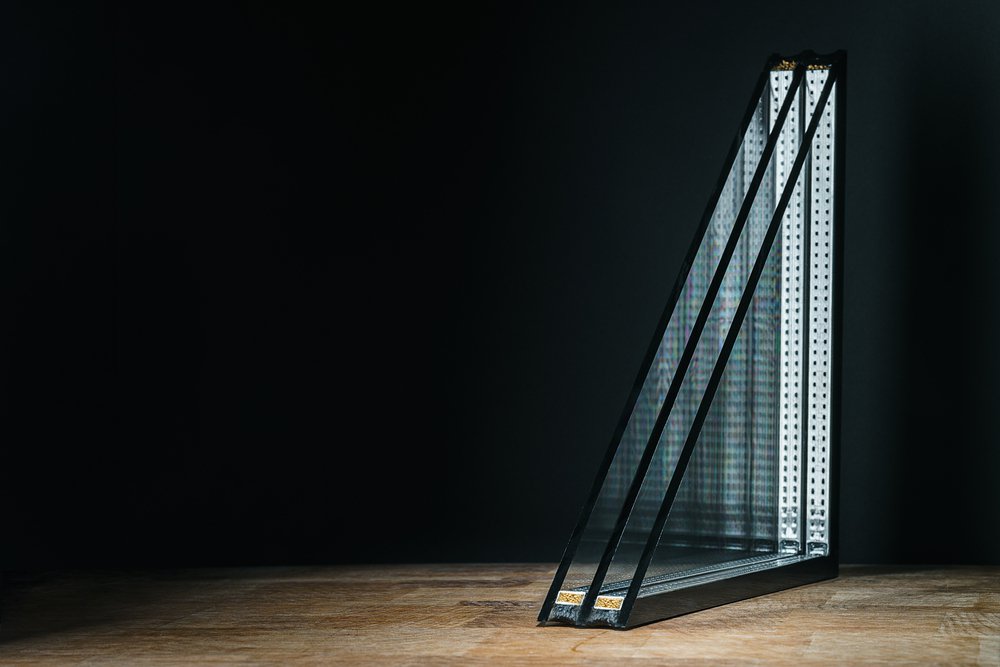
Spacer bars play a pivotal role in insulating glass units, directly influencing overall energy efficiency and performance outcomes. Additionally, selecting high-quality spacer bars ensures windows maintain thermal stability while minimizing condensation on interior surfaces. Consequently, architects and glazing professionals must carefully evaluate materials, dimensions, and thermal properties before installation.
Window edges represent a major point of heat transfer, making the choice of spacer bars critical for whole-building energy conservation. Poorly designed spacer bars increase the risk of thermal bridging, negatively affecting both energy ratings and occupant comfort. Understanding the relationship between materials and heat transfer can optimize long-term window performance effectively.
Understanding Heat Loss at Window Edges
Heat loss frequently begins at the perimeter of a window, thereby compromising the overall efficiency of insulated glass units. Metal bars, commonly used for structural purposes, conduct heat rapidly and create cold spots that promote condensation. In contrast, advanced materials such as warm-edge or foam spacer bars offer lower thermal conductivity and superior insulation capabilities.

In addition, thermal bridging not only increases energy consumption but can also degrade interior comfort levels, particularly in cold climates. Architects and glazing contractors need to consider how spacer bars interact with Low-E coatings and frame materials to mitigate energy loss efficiently. Proper edge design contributes directly to reducing HVAC demand and increasing building sustainability metrics.
Heat transfer at window edges can also affect condensation resistance, which plays a role in preventing mold growth and moisture damage. Selecting a system with appropriate thermal performance ensures interior glass surfaces remain above dew point levels consistently. Ultimately, this supports both occupant health and long-term structural durability.
Comparing Spacer Bar Materials
Spacer bars are essential components that influence both thermal performance and structural integrity of insulated glass units. Similarly, different materials offer unique benefits in terms of energy efficiency, condensation control, and long-term durability. Choosing the right materials ensures windows remain reliable while optimizing comfort and energy savings throughout a building.
Here are five key material options to consider when comparing spacer bars:
- Aluminum Spacer Bars – Provide strong structural support and maintain shape under mechanical stress, yet they conduct heat rapidly, increasing thermal bridging.
- Steel Spacer Bars – Offer excellent rigidity for large glass panels and resist warping, although they require insulation to reduce heat transfer. In practice, the thermal performance of steel spacer bars demonstrates how thermal bridging can be minimized through proper design.
- Foam-Filled Warm-Edge Spacers – Significantly reduce thermal conductivity and condensation, thereby maintaining consistent interior temperatures across multi-pane units.
- Composite Spacer Bars – Combine polymers and desiccants to provide low thermal transfer and moisture control without sacrificing stability.
- Silicone or Polymer Core Spacers – Deliver enhanced flexibility for expansion and contraction while improving edge insulation for improved energy efficiency.
Selecting the appropriate material requires evaluating thermal performance, durability, and compatibility with window systems. Proper choice supports long-term reliability while enhancing energy efficiency across building projects.
Warm-Edge Spacer Bars and Foam Solutions
Warm-edge and foam bars represent modern solutions for improving insulated glass unit efficiency in cold climates. These designs limit conductive heat transfer, thereby helping maintain interior temperatures and reducing heating costs substantially. Additionally, foam spacers expand slightly under temperature changes, maintaining tight seals and preventing air leakage.
Many manufacturers now use advanced polymers or silicone foam cores to achieve exceptional thermal performance. Such innovations prevent condensation from forming on glass surfaces, enhancing clarity and durability, while advanced spacer bar designs contribute measurable gains in energy efficiency and occupant comfort.
Furthermore, Integrating foam bars with Low-E coatings can further optimize window performance, particularly for multi-pane configurations. Designers and builders can reduce energy demand while ensuring units maintain aesthetic and functional integrity. Proper selection and installation of these systems remain essential for achieving maximum efficiency across building envelopes.
Condensation Resistance and Interior Comfort
High-quality bars play a critical role in condensation resistance, protecting both interior finishes and occupant comfort. Cold edges often attract moisture accumulation, which leads to fogging, streaking, and potential mold growth. Thermal breaks integrated into spacer bars prevent these issues while stabilizing internal glass temperatures.
Maintaining condensation-free surfaces ensures that occupants experience consistent comfort without localized cold spots or drafts. The bar’s thermal properties work in conjunction with overall window design to mitigate humidity challenges effectively. Consequently, careful material selection enhances long-term satisfaction and supports energy-conscious building strategies.
Advanced spacer bars also reduce the risk of damage caused by repeated condensation cycles, extending the life of seals and adhesives. Limiting moisture accumulation contributes to warranty compliance and avoids premature unit failure. Investing in proper systems safeguards both performance and structural longevity.
Spacer Bars and Long-Term Durability for Energy Efficiency
The choice of spacer bars affects the durability of insulated glass units and can influence warranty coverage for manufacturers and installers. Metal bars without proper thermal breaks are prone to corrosion and sealant failure over time, and steel spacer bars structural benefits support stable expansion and reduce stress on seals, improving long-term reliability.
Properly engineered bars maintain the physical integrity of glass units through seasonal temperature changes and building movement. Materials that resist moisture and thermal cycling prevent premature degradation and protect long-term performance. Selecting an appropriate system directly contributes to both reliability and warranty compliance.
Bars also influence whole-building energy efficiency, as superior edge insulation reduces overall heat loss. Integrating high-performance systems with Low-E coatings and argon fills maximizes energy conservation. Therefore, advanced selection supports both sustainability and operational cost savings.

Selecting Spacer Bars for Optimal Performance
Choosing the right bars involves more than just selecting a material; it requires evaluating performance, durability, and project requirements. High-quality spacer bars contribute to energy efficiency, condensation resistance, and long-term stability of insulated glass units. Careful selection ensures windows function optimally while meeting both aesthetic and structural expectations.
Consider the following five factors when selecting spacer bars for optimal performance:
- Thermal Conductivity – Select bars that minimize heat transfer to improve energy efficiency and reduce interior cold spots.
- Compatibility with IGU Configurations – Ensure the bars work seamlessly with multi-pane units and various glass thicknesses.
- Condensation Control – Choose materials and designs that limit moisture accumulation on interior surfaces to prevent mold and damage.
- Structural Stability – Prioritize bars that maintain integrity under temperature fluctuations and mechanical stress over time.
- Regulatory and Warranty Compliance – Confirm that spacer bars meet energy codes, manufacturer specifications, and long-term warranty requirements. Foam spacer benefits can also support regulatory compliance and efficiency goals.
Therefore, evaluating these factors ensures the selected spacer bars optimize both window performance and building energy efficiency. Proper consultation with suppliers guarantees long-term reliability and occupant comfort.
Maximizing Window Performance at the Edge
High-quality spacer bars are fundamental to thermal efficiency, condensation resistance, and long-term performance of insulated glass units. Careful selection and integration of advanced materials ensure optimal indoor comfort and energy savings across building projects. Modern spacer technologies enhance both structural stability and environmental sustainability for durable, reliable installations.
Consulting a trusted IGU partner like Insul-Lite Manufacturing™ provides access to a wide range of high-performance spacer bars engineered for durability. Our expertise allows professionals to select systems that optimize energy performance, streamline project timelines, and support long-term window reliability. Get in touch with experts at Insul-Lite Manufacturing™ to explore spacer bar solutions tailored for superior performance and cold-climate efficiency.