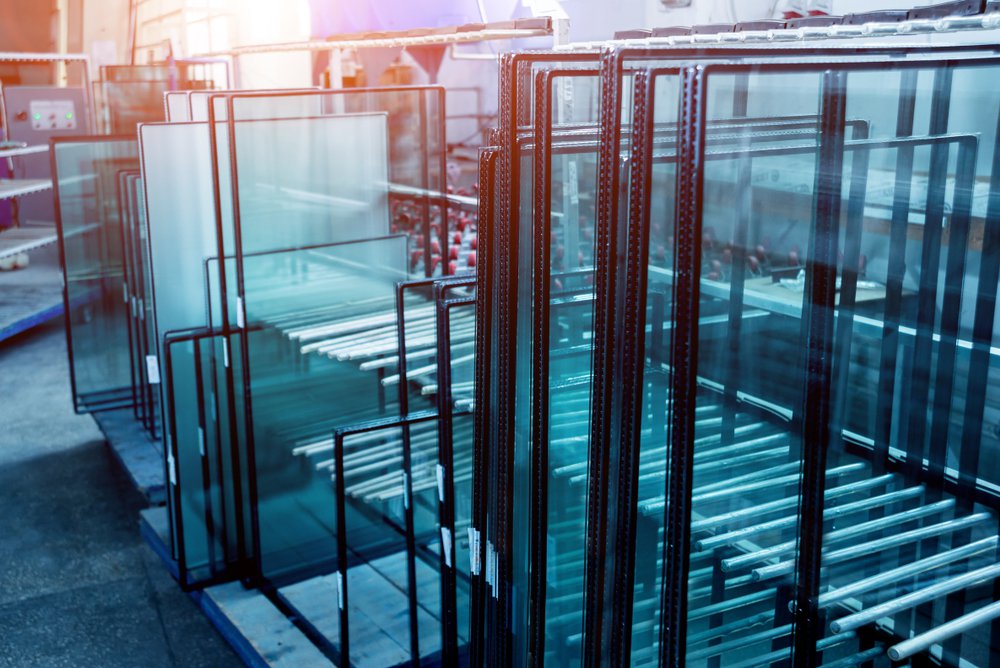
Energy-efficient windows significantly influence building performance, with low-E glass serving as a central component for thermal management. These advanced glass units reduce energy loss, enhancing comfort while lowering utility bills throughout the year. Selecting the appropriate glazing type and coating ensures maximum efficiency for residential or commercial construction projects.
Incorporating low-E glass contributes directly to sustainability goals and long-term cost savings across multiple climates and building designs. Optimized window assemblies minimize heat transfer, preventing excessive HVAC strain while maintaining interior comfort levels. Careful design strategies can enhance natural lighting without compromising insulation, offering a balanced approach to energy-conscious construction.
How Low-E Glass Reflects Heat for Year-Round Comfort
Low-E glass reflects radiant heat back into a building during colder months, improving overall thermal performance. Properly selected coatings prevent excessive solar heat gain in warmer seasons, maintaining indoor comfort efficiently. Integrating these coatings within insulated glass units ensures consistent performance and reduces energy fluctuations, making it easy to maximize energy savings with low-E glass technology.

Thermal control relies on the reflective properties of the low-E glass coating, which varies based on material composition and application methods. Modern coatings can achieve a balance between visible light transmission and solar heat rejection, improving occupant satisfaction. The strategic use of these units helps reduce reliance on mechanical heating and cooling systems.
Effective placement in windows considers orientation, exposure, and seasonal climate variations to maximize energy efficiency. South-facing windows benefit from selective coatings, whereas east- and west-facing windows require careful shading solutions. Incorporating low-E glass, the ideal choice for energy-efficient windows, helps optimize energy savings while maintaining comfort year-round.
Understanding Different Types of Low-E Coatings
Low-E coatings are essential for controlling heat transfer and improving overall energy efficiency in modern buildings. Hard-coat and soft-coat options provide distinct advantages depending on climate and building requirements. Selecting the right coating enhances occupant comfort while minimizing heating and cooling energy use, thanks to low-E coatings that improve energy efficiency in insulated glass.
Key aspects to consider when comparing low-E glass coatings include:
- Durability – Hard-coat coatings resist scratches and wear, providing long-lasting performance even in high-traffic installations.
- Thermal Performance – Soft-coat coatings offer higher insulation values, reducing heat loss in winter and heat gain in summer.
- Solar Control – Coating composition determines how effectively infrared radiation is blocked while allowing natural light.
- Visible Light Transmission – Different coatings impact daylight penetration and glare management, influencing interior comfort.
- Cost Considerations – Installation and maintenance requirements vary, affecting overall project budgeting and energy savings.
Choosing the correct coating ensures buildings achieve both energy efficiency and thermal comfort. These coatings, when integrated correctly, maximize long-term performance and measurable energy savings.
Pairing Low-E Glass with Quality IGUs
Combining low-E glass with insulated glass units significantly enhances thermal resistance and overall building efficiency. IGUs create an air or gas-filled cavity between panes, reducing conductive heat loss effectively. Properly sealed units maintain long-term performance and prevent condensation-related issues, making it easy to see the benefits of low-E glass in modern buildings for both comfort and energy savings.
Selecting the right spacer system within IGUs is critical to maximizing performance and minimizing edge heat loss. Warm-edge spacers, such as Super Spacer or aluminum variants, provide structural stability and thermal insulation simultaneously. Optimizing both glass and spacer components ensures durability and consistent energy savings.
High-quality IGUs minimize heat transfer while maintaining clear visibility and aesthetic appeal. Glass thickness, gas fill, and coating placement all contribute to energy performance outcomes. Integrated design choices prevent thermal bridging, enhancing both efficiency and occupant comfort.
Reducing HVAC Strain with Energy-Efficient Windows
Energy-efficient windows reduce reliance on heating and cooling systems, which directly impacts utility costs. Lower energy consumption also decreases the environmental footprint of buildings, supporting sustainability initiatives. Efficient windows complement advanced HVAC systems by maintaining steady indoor temperatures.
Well-designed units reduce temperature fluctuations that often trigger frequent HVAC cycles, promoting longevity of mechanical systems. In commercial buildings, reduced operational loads translate to measurable cost savings over time. Residential projects benefit from more consistent comfort levels and decreased energy expenditure.
Strategically placed windows allow natural ventilation without compromising thermal efficiency. Controlled sunlight penetration maintains adequate daylighting while mitigating unwanted solar gain. Thoughtful planning results in a balanced energy strategy and enhanced indoor environment.
Designing Low-E Glass for Sustainability and Daylighting
Integrating low-E glass into building designs enhances both energy efficiency and interior comfort for occupants. Effective daylighting strategies can reduce reliance on artificial lighting while maintaining thermal control. Thoughtful planning ensures that energy performance goals align with sustainability objectives.
When designing with low-E glass, several key factors should guide planning decisions:
- Orientation – Window placement affects solar gain, and south-facing areas often benefit from selective coatings.
- Shading Devices – Louvers, overhangs, or blinds help control heat while supporting natural light access.
- Window Size and Placement – Proper sizing maximizes daylight without introducing glare or excessive heat gain.
- Visible Light Transmission – Coatings that allow natural light maintain visual comfort while supporting energy efficiency.
- Material Compatibility – Frame and glazing materials influence overall thermal performance and durability.
Incorporating these strategies ensures that low-E glass contributes meaningfully to building energy performance. Properly executed, such designs enhance comfort while lowering energy consumption over the building’s lifetime.

Optimizing Low-E Glass Performance with Professional Installation
Professional installation ensures units perform according to their design specifications without thermal bridging issues. Accurate placement, secure sealing, and precise alignment prevent long-term energy losses and potential condensation problems. Attention to detail during installation preserves the longevity of the coating and insulating unit.
Window framing materials also affect performance, as thermal conductivity varies between wood, aluminum, and composite options. Selecting complementary frame materials further improves overall insulation and reduces heat transfer. Integrated design solutions enhance effectiveness in real-world conditions.
Maintenance and periodic inspections help sustain efficiency over time, ensuring consistent energy performance. Cleaning protocols must avoid abrasive chemicals that could damage coatings or seals. Proper care protects investment and supports long-term building performance goals.
Achieving Energy Efficiency Through Low-E Glass
Integrating Insul-Lite Manufacturing™’s high-quality low-E glass within modern construction projects directly impacts building comfort, sustainability, and operational costs effectively. Strategic selection of coatings, IGUs, and framing materials ensures measurable energy savings year-round. Thoughtful design decisions reduce HVAC demand and maintain consistent indoor temperatures for all occupants.
Careful planning and high-quality installation enhance both thermal performance and long-term building resilience. Optimized glazing improves natural lighting without compromising energy efficiency or occupant comfort levels. For superior energy-efficient windows that perform in any climate, connect with experts today.